Industrial Heating Elements, Built to Your Numbers
Elements for water, oil, air, moulds, plastics and furnaces — supplied as catalogue parts, and built to the power, voltage, dimensions and sheath material your machine actually needs.
The whole catalogue, on one line
- Cartridge Heater
- Tubular Heater
- Straight Tubular Heater
- Formed Tubular Heater
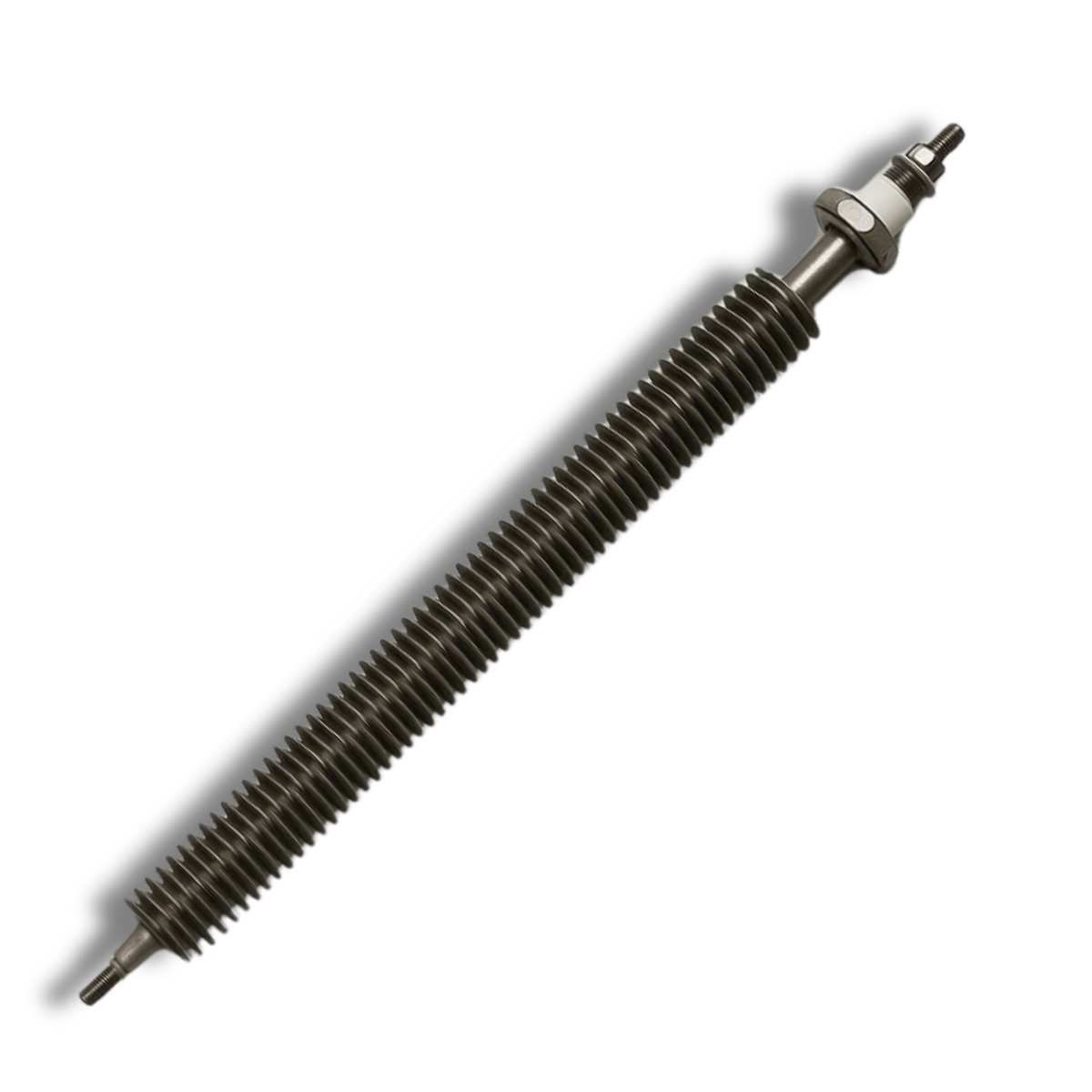
- Finned Tubular Heater
- Immersion Heater
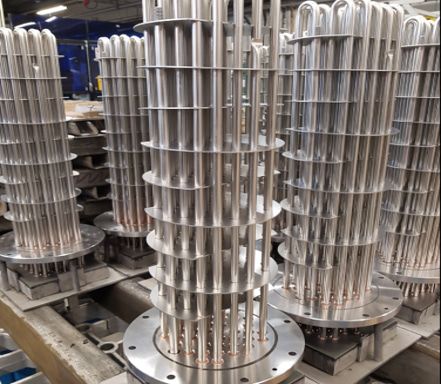
- Screw Plug Heater
- Flanged Heater
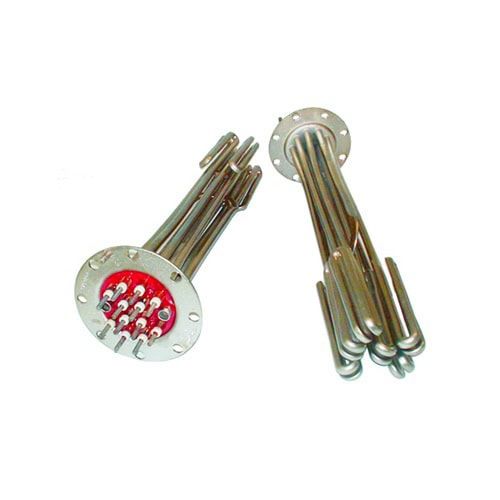
- Water Heater Element
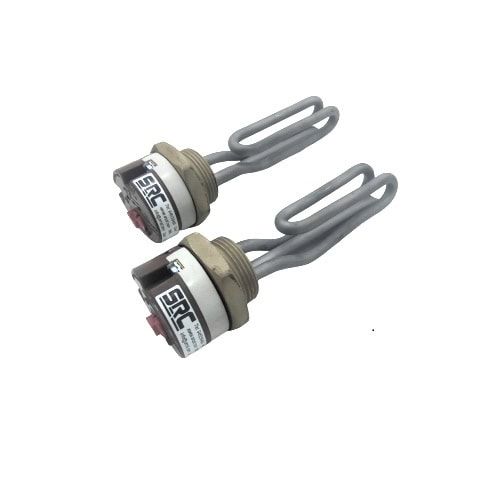
- Samovar Element
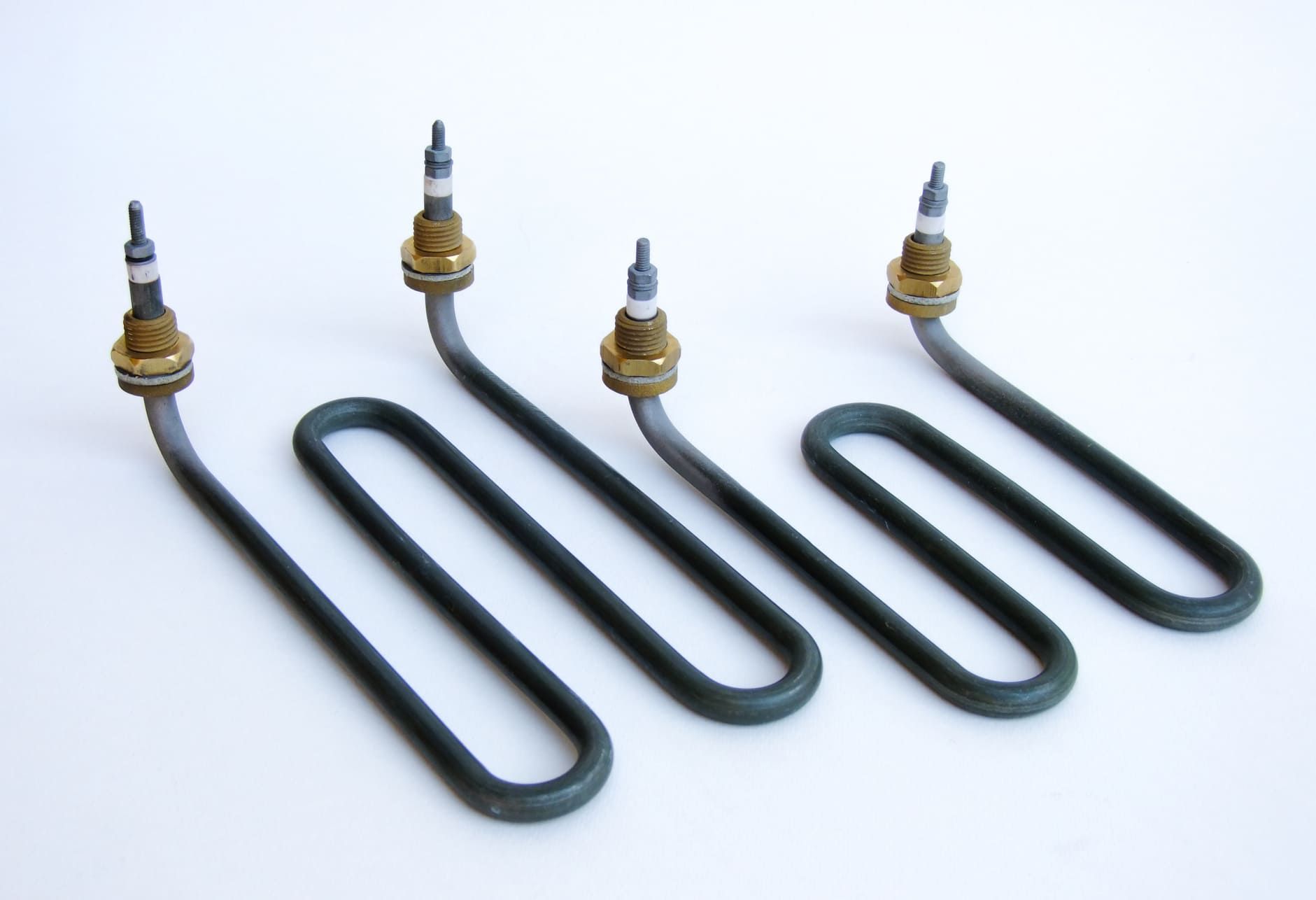
- Oil and Chemical Heater
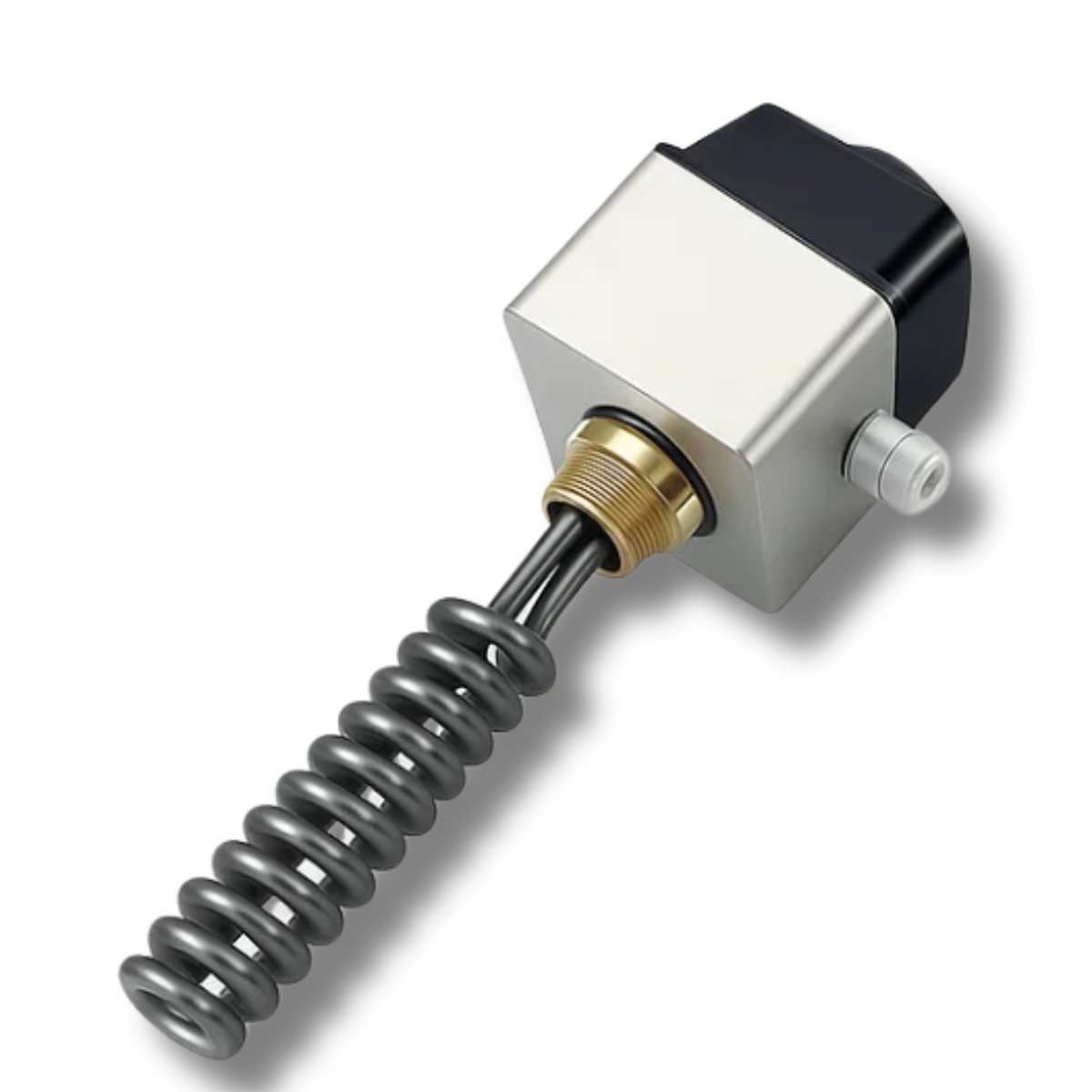
- Band Heater
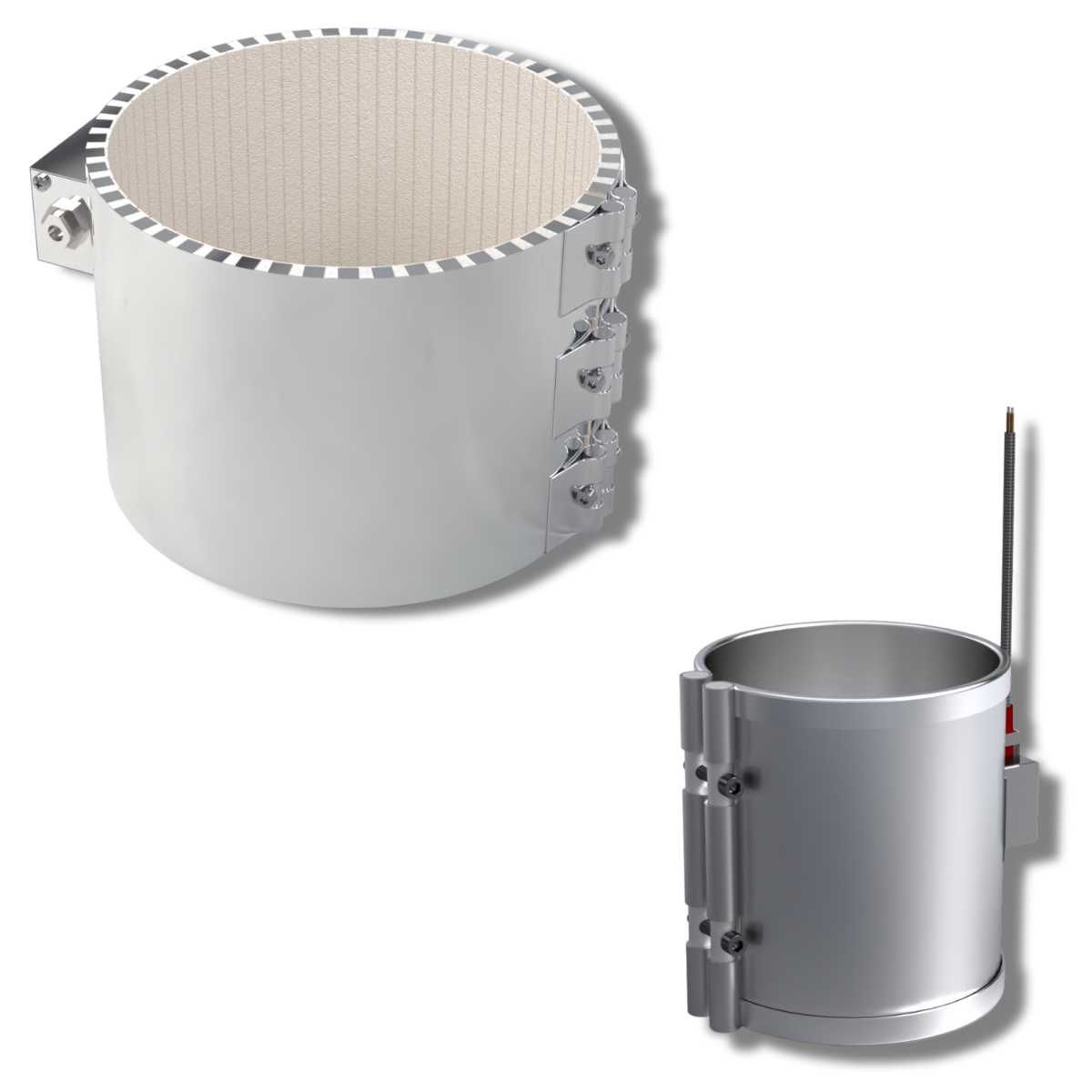
- Mica Band Heater
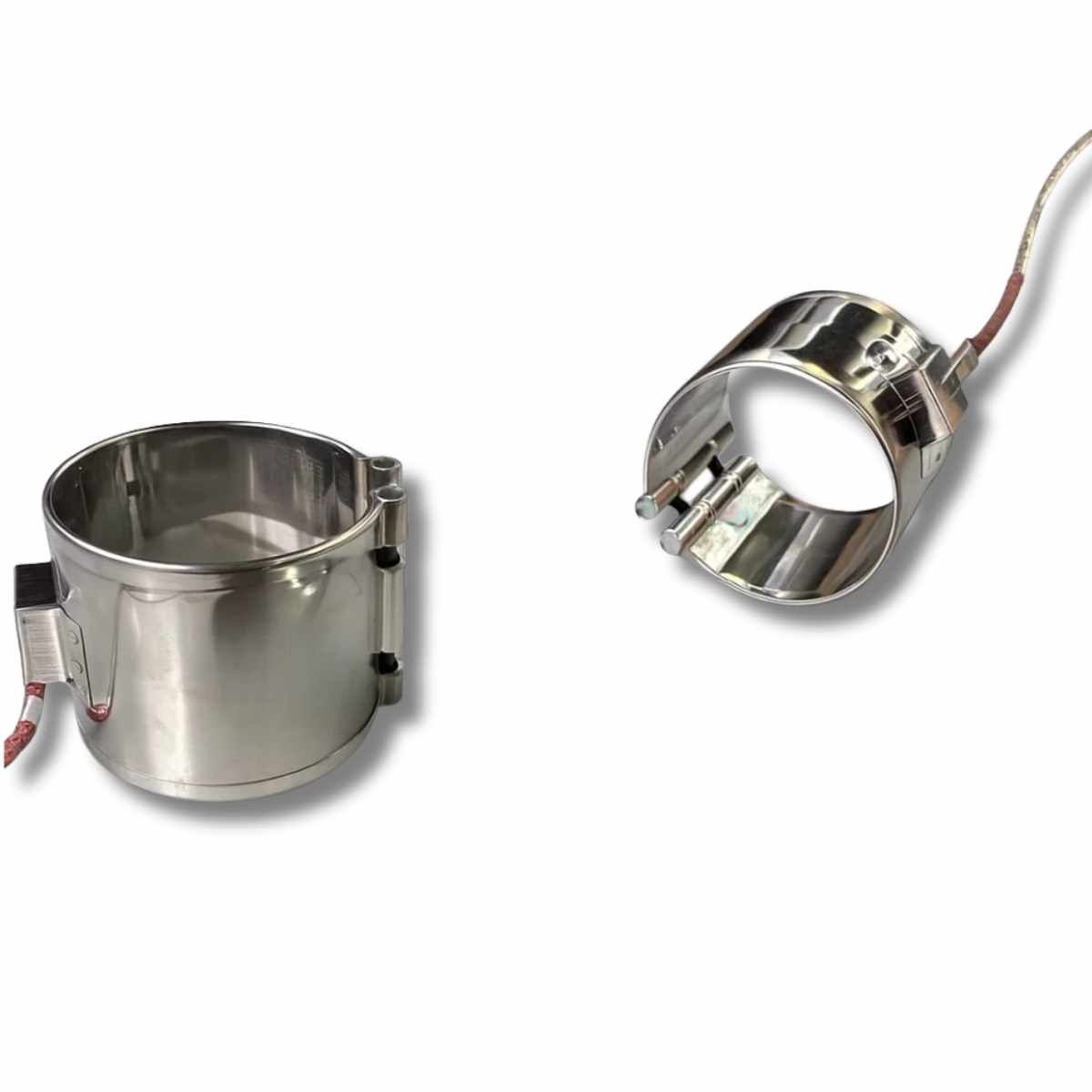
- Ceramic Band Heater
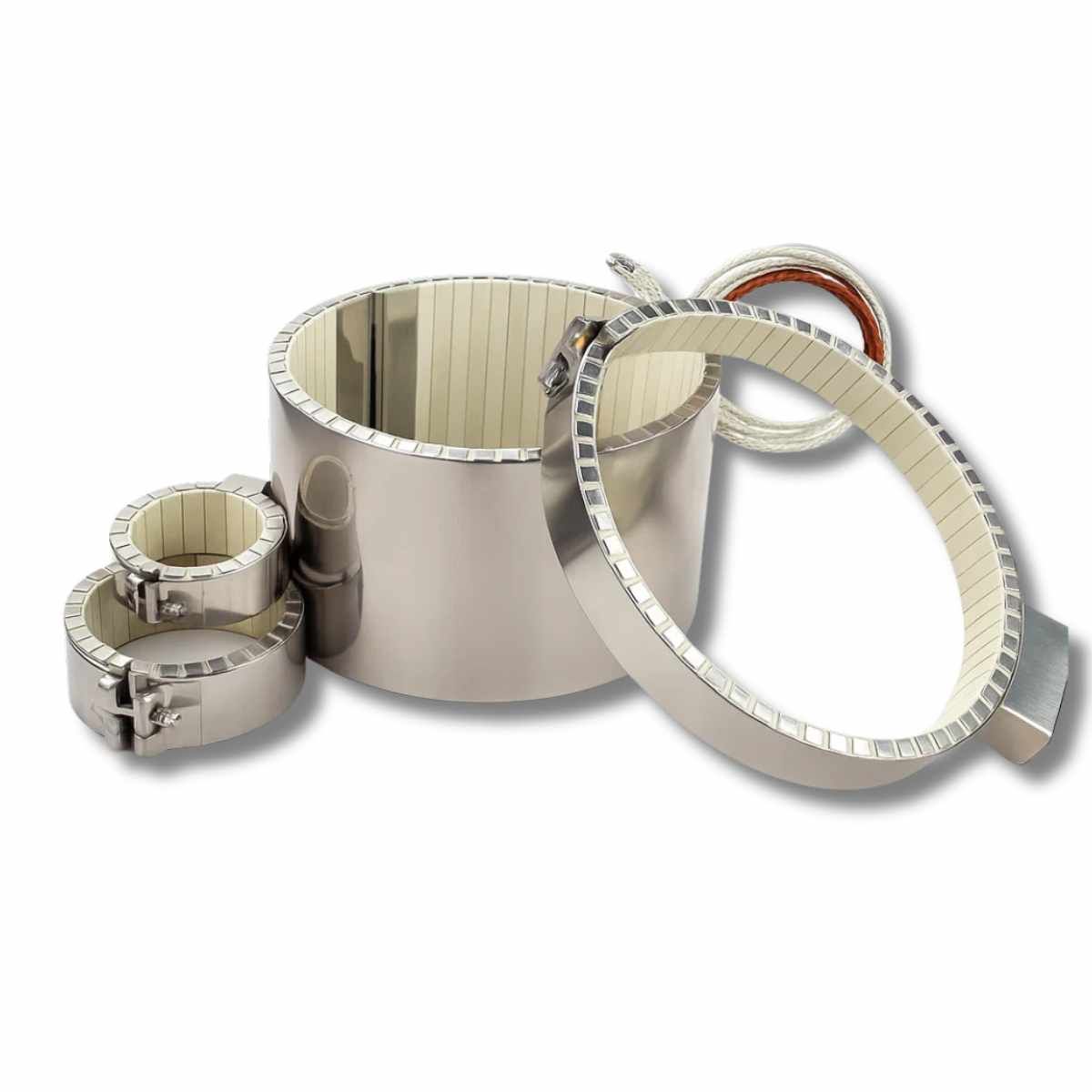
- Nozzle Heater
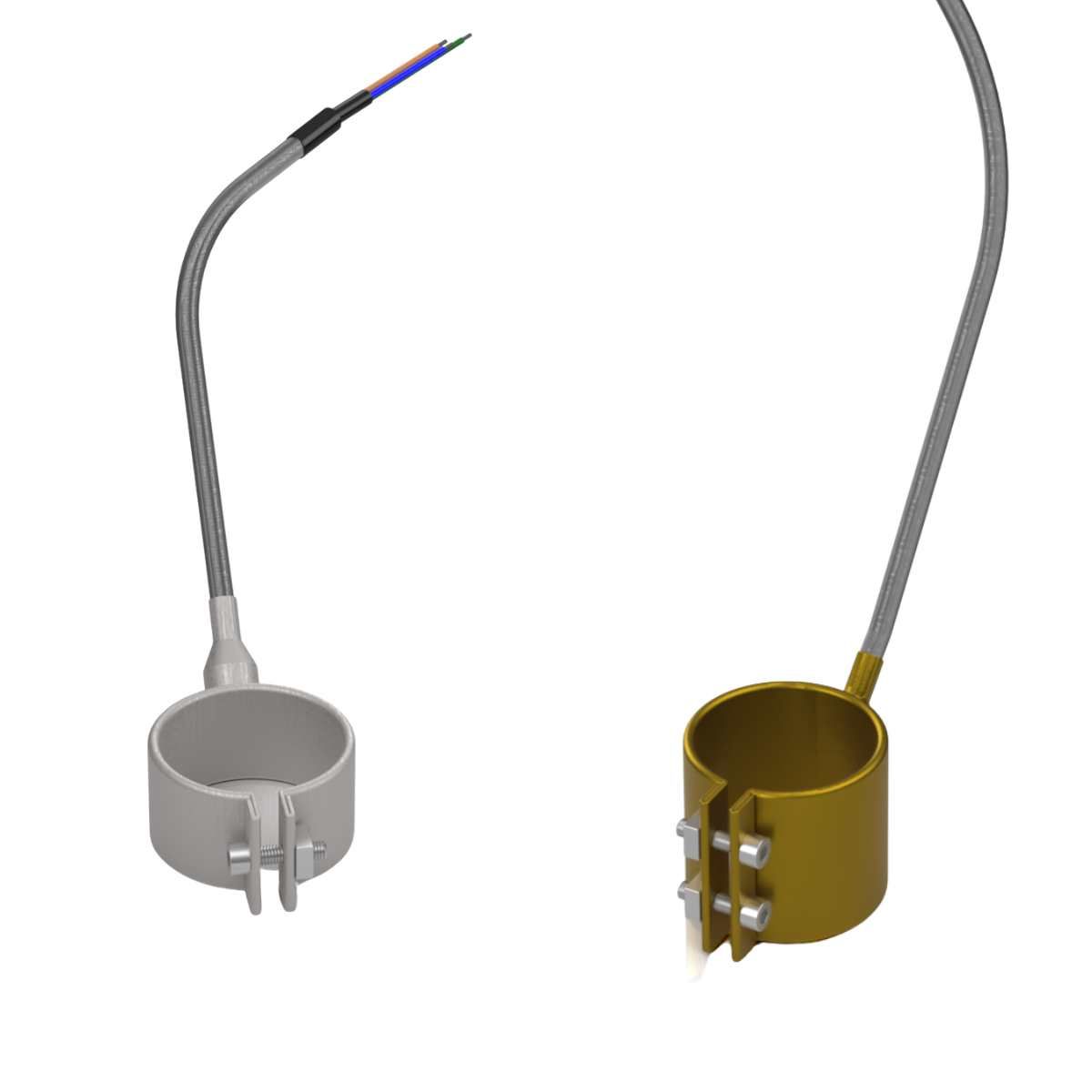
- Flat and Strip Heater
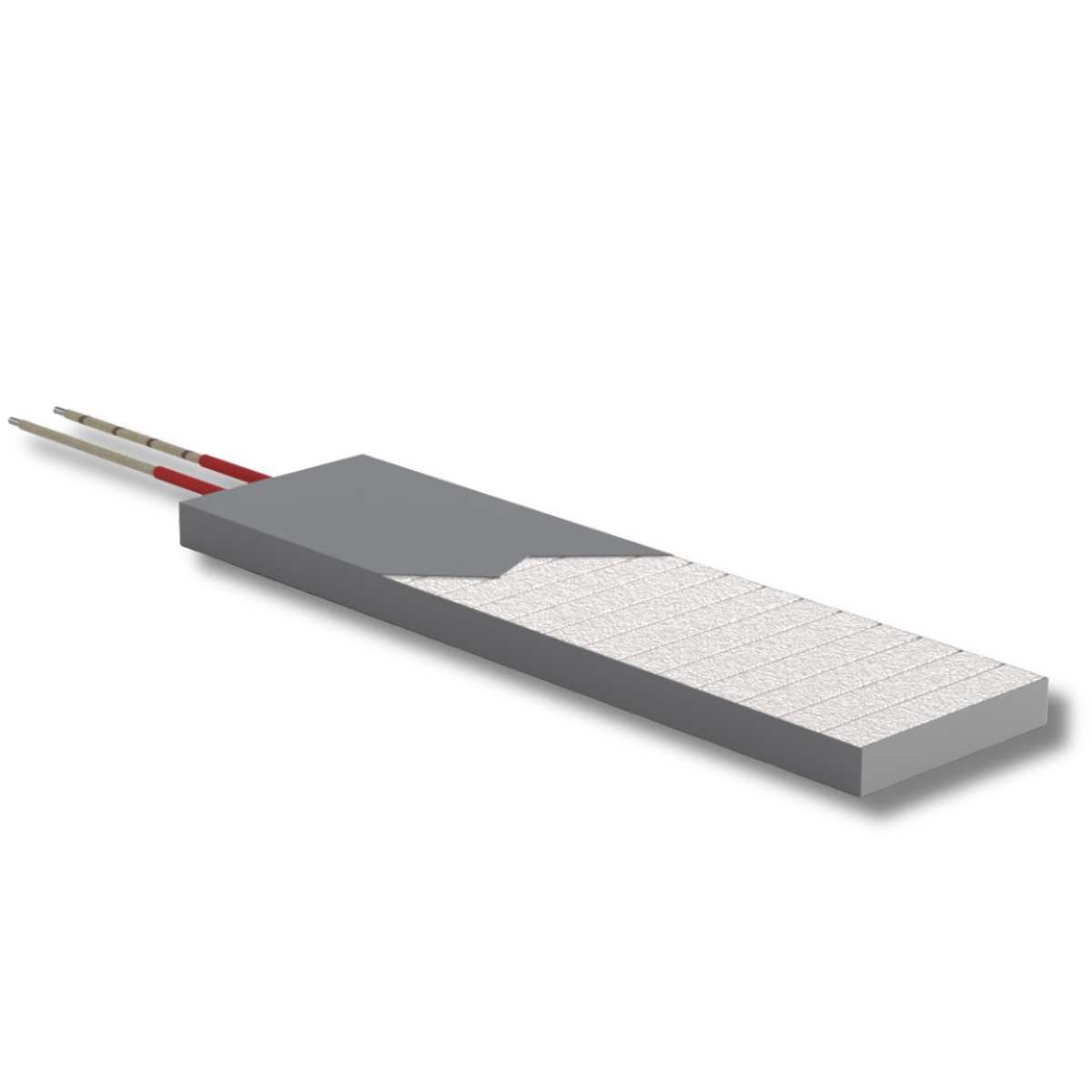
- Strip Heater
- Plate Heater
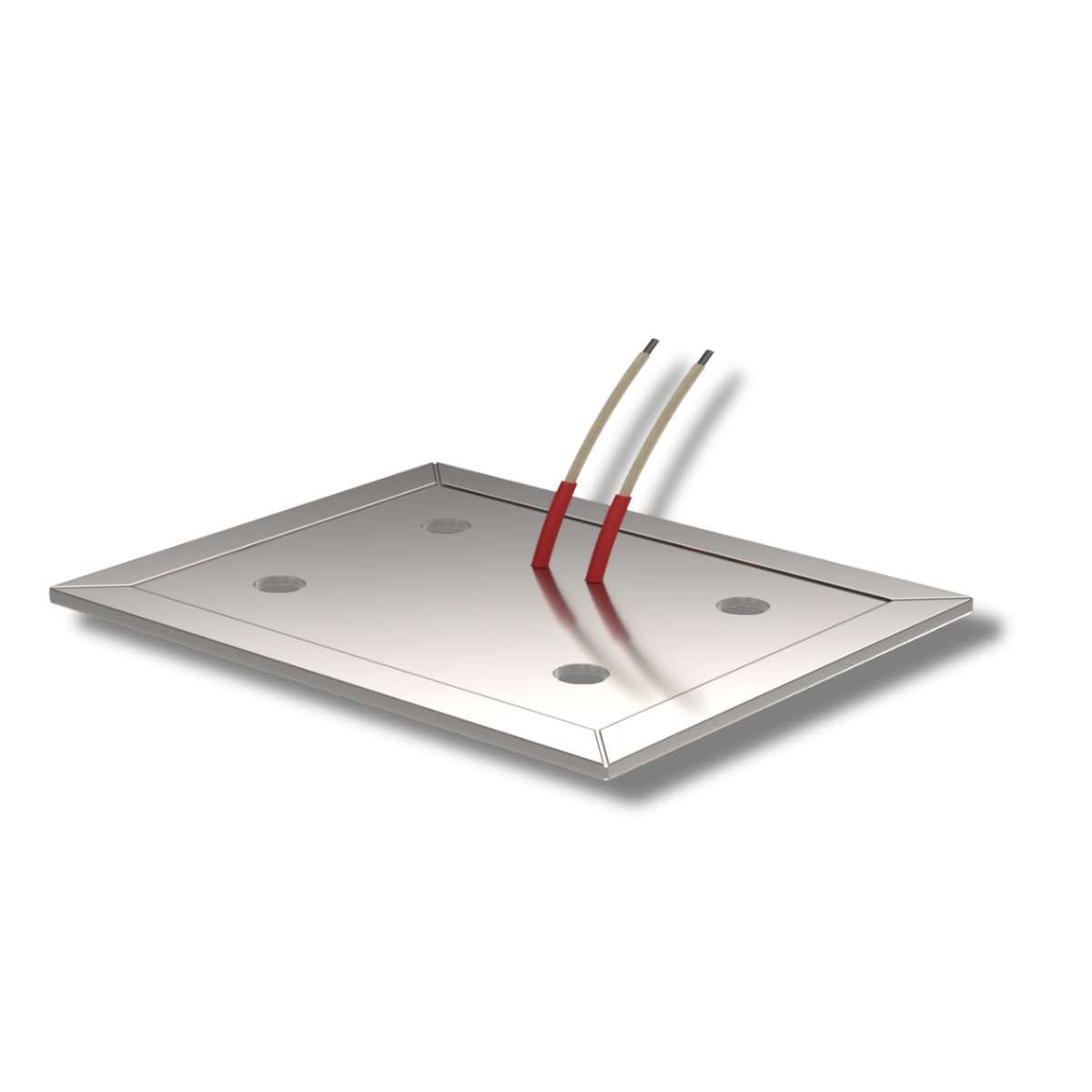
- Heat Press Heater
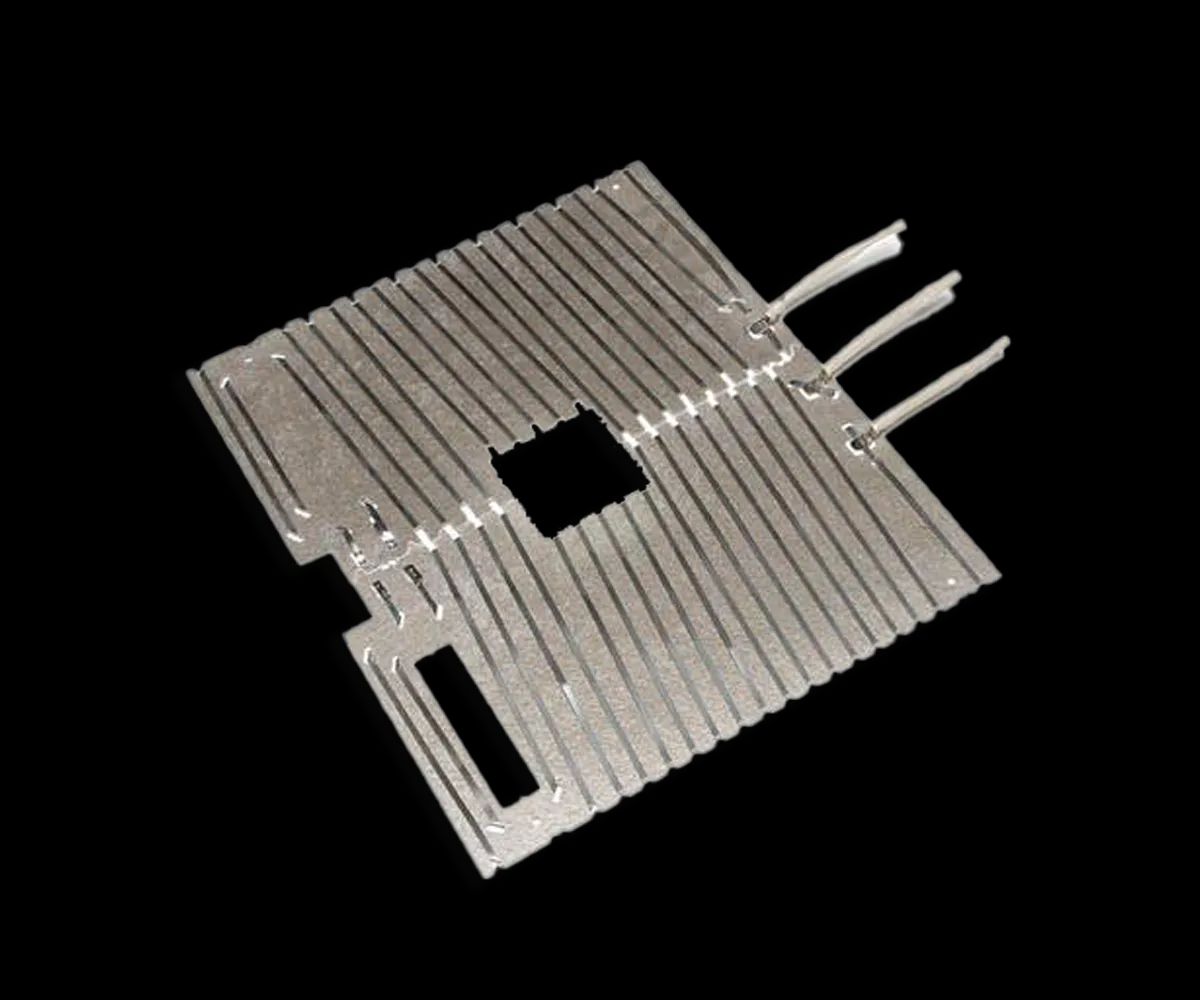
- Flexible Heater
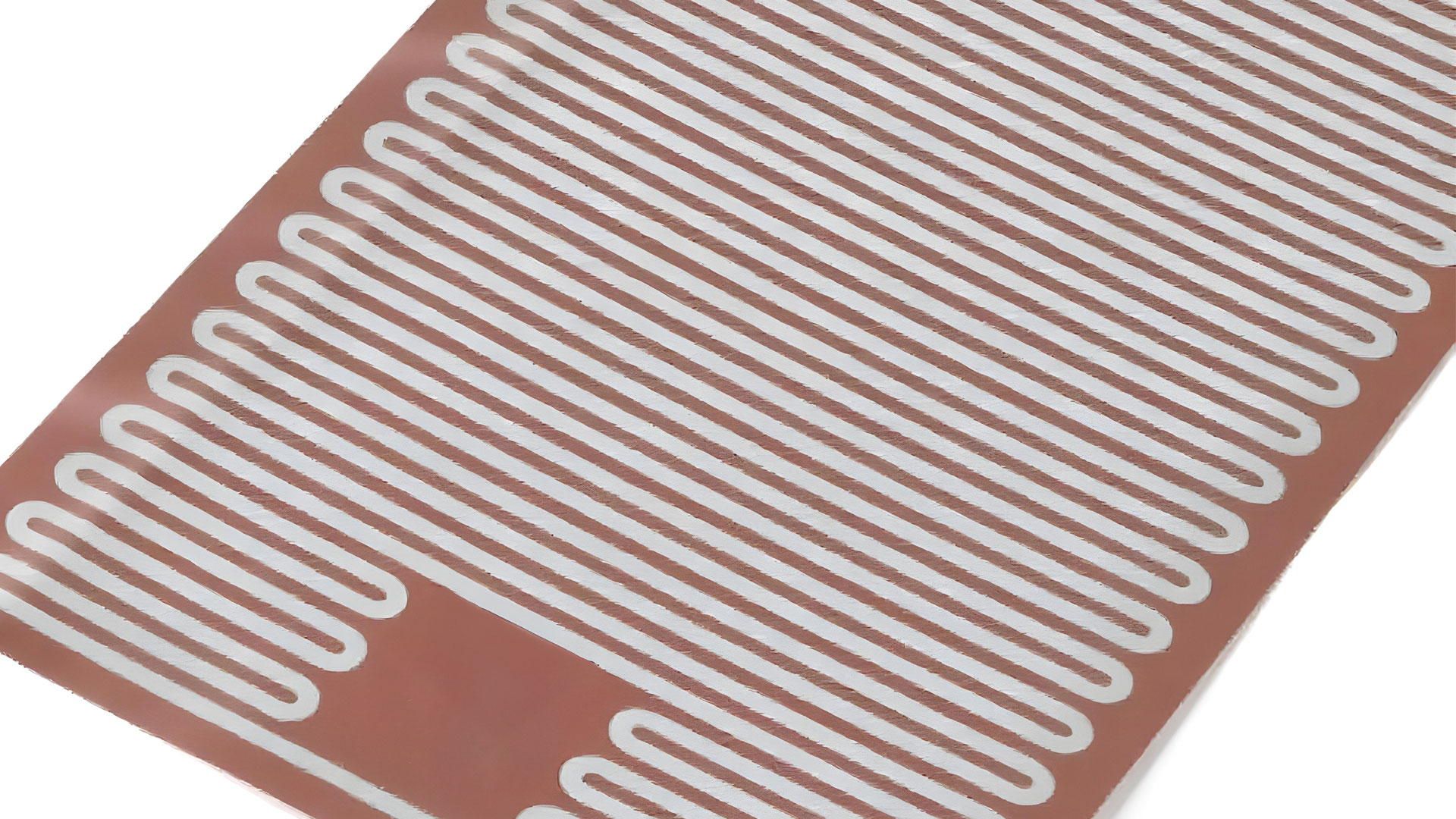
- Silicone Rubber Heater
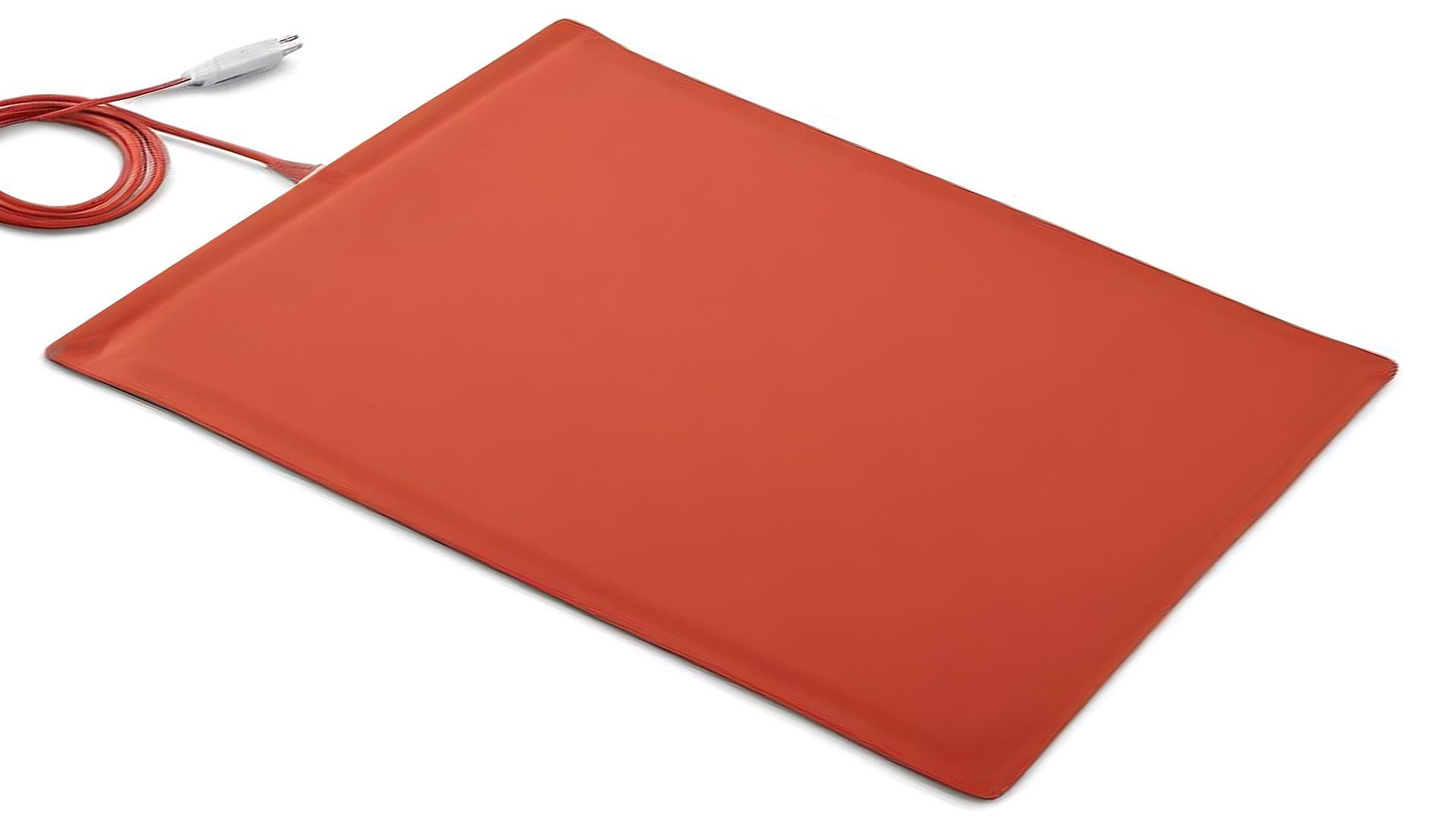
- Drum and Tank Heater
- Radiant Heater
- Quartz Heater
- Halogen Heater
- Ceramic Infrared Heater
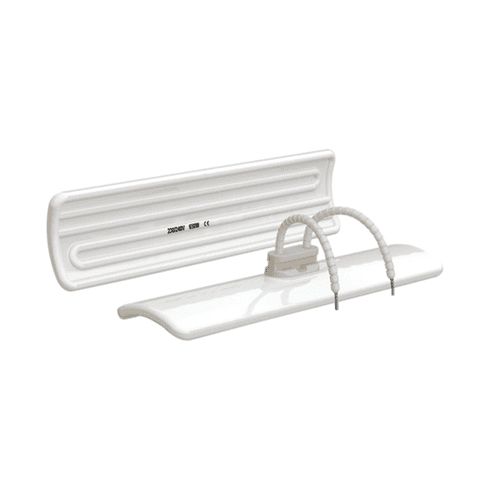
- High Temperature Heater
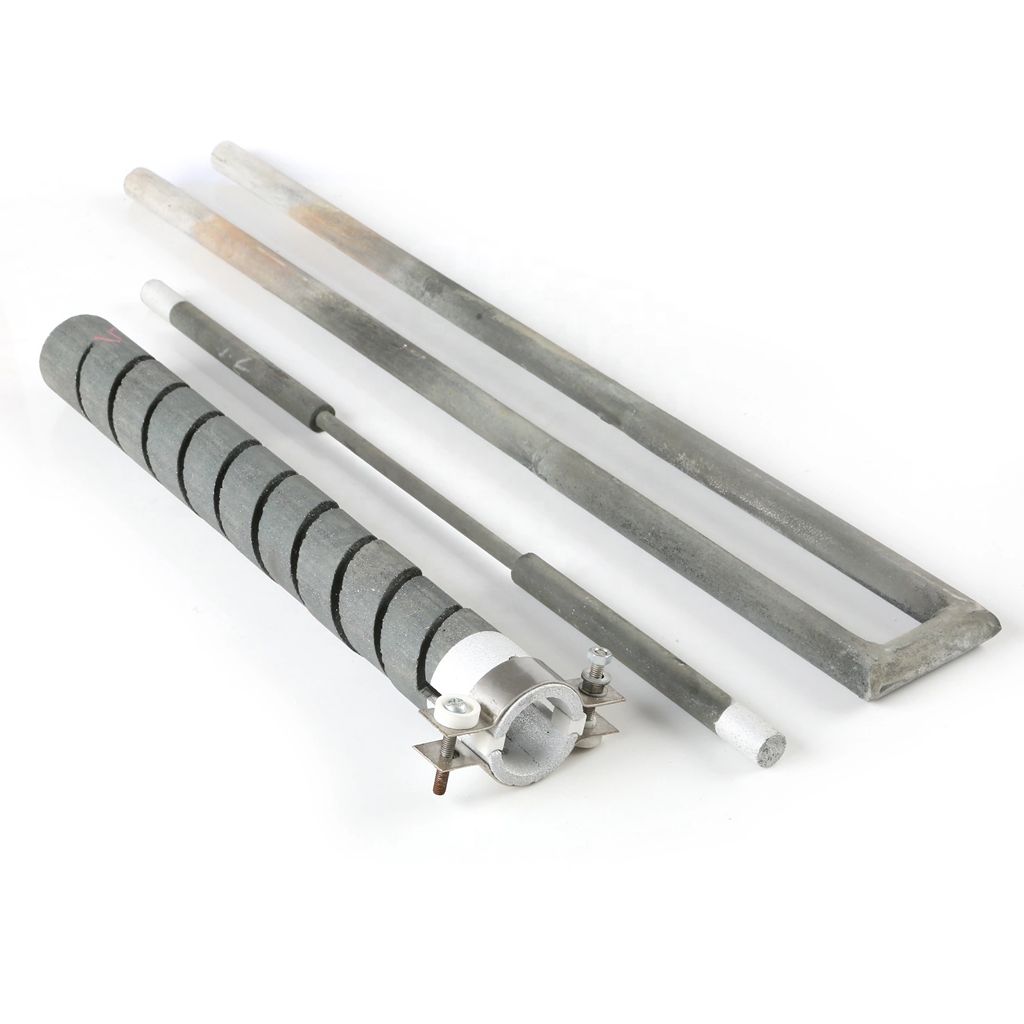
- Silicon Carbide Heater
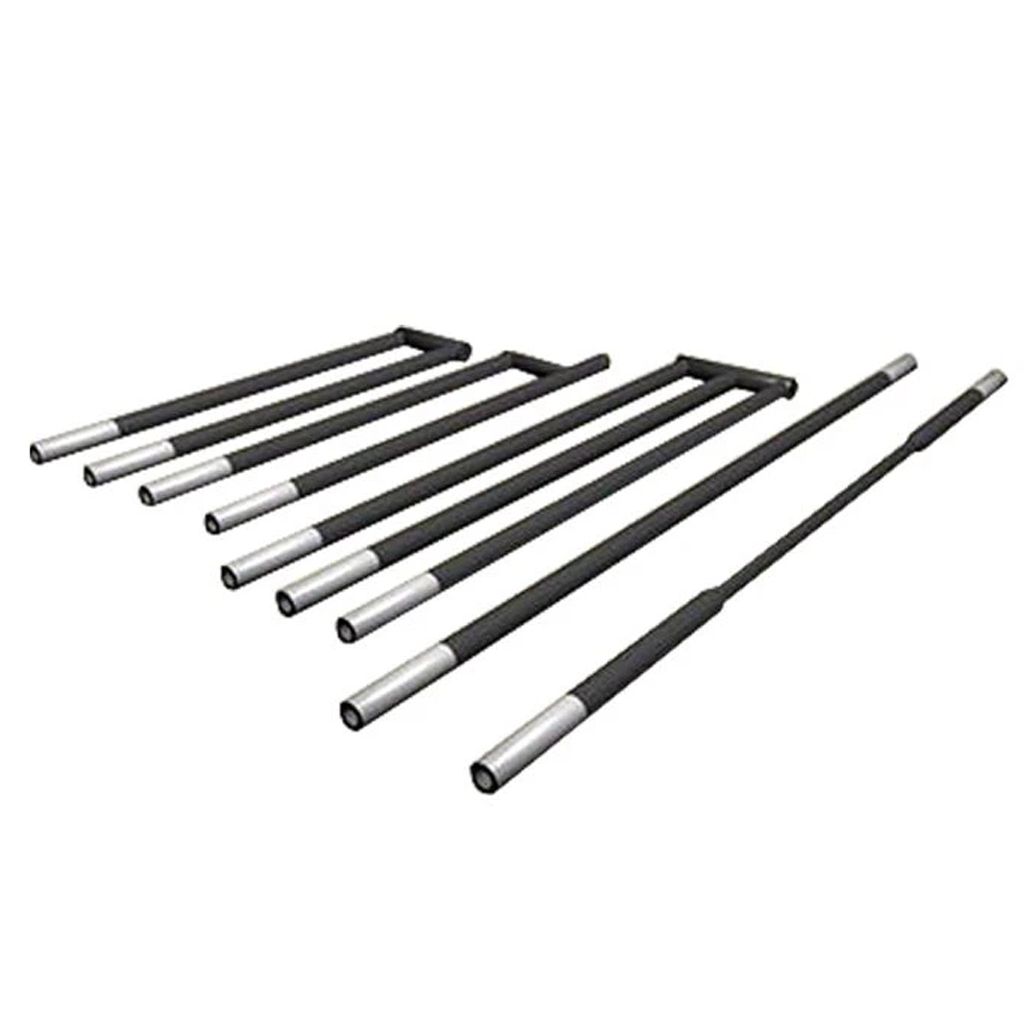
- Ceramic Heater
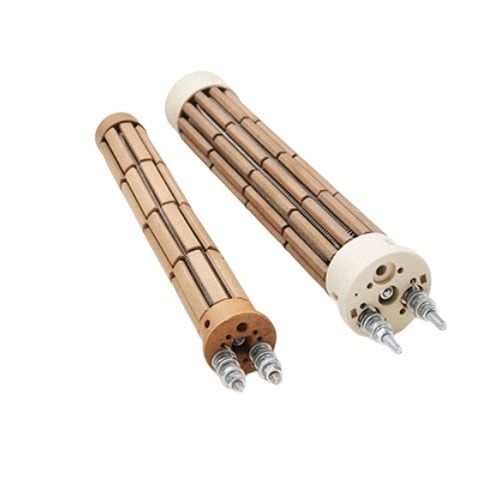
- Furnace Heater
- Molybdenum Heater
The eight families
Each family has a page of its own, and the types under it are listed there.
Cartridge Heater
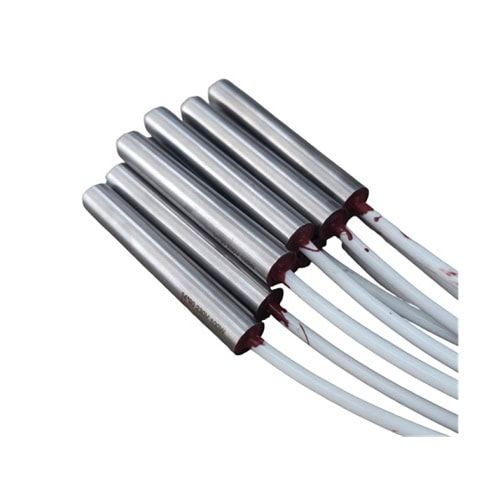
A cartridge heater is a compact metal rod that slides into a drilled hole in a metal part and heats it from the inside. Nickel-chrome wire is wound on a ceramic core, packed with magnesium oxide and sealed in a stainless sheath. It carries far more power per square centimetre than any other element, which is why moulds, dies and platens use it.
Tubular Heater
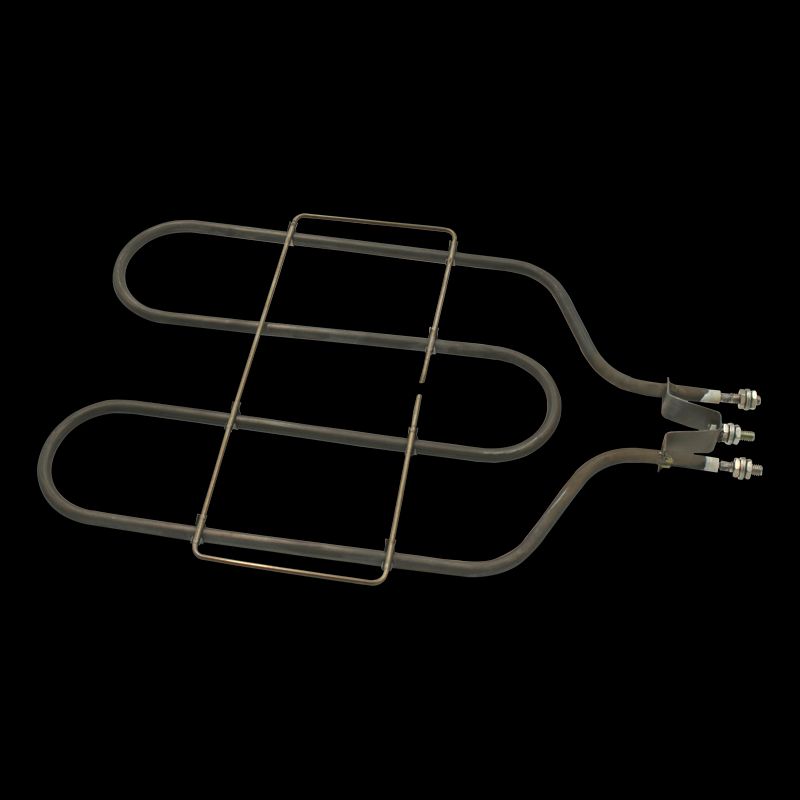
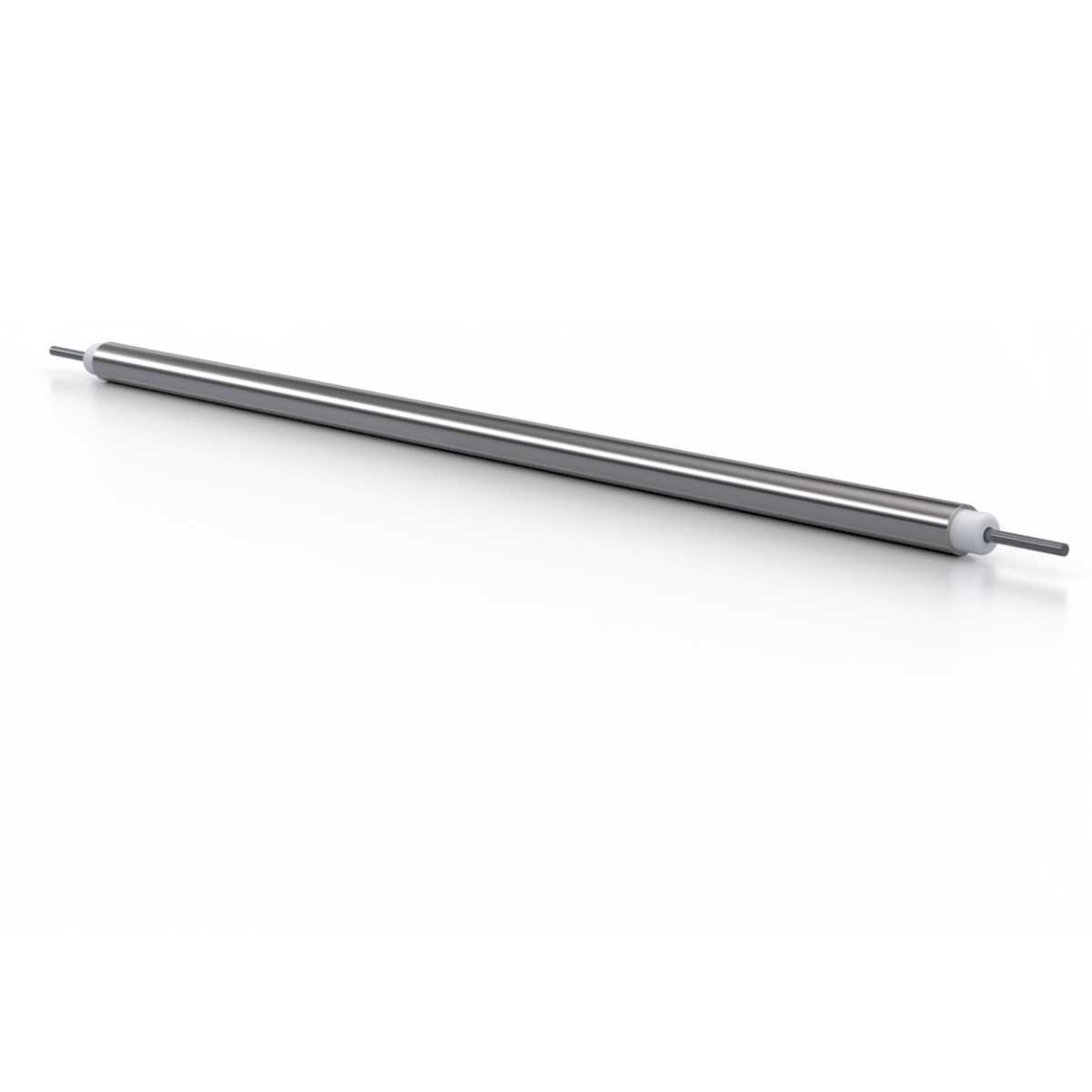
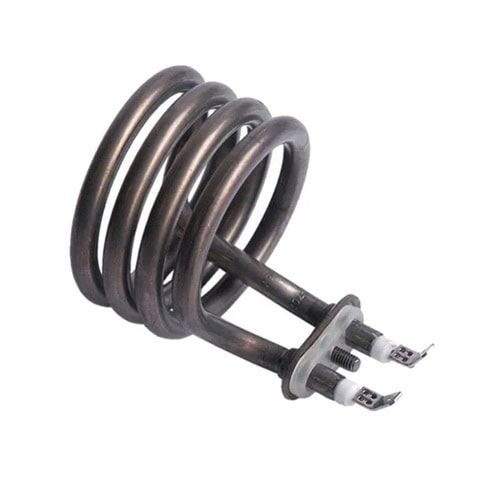
A tubular heater is a metal tube with a resistance wire running down the middle, the gap packed tight with magnesium oxide powder. It is the most widely used industrial heating element, working in water, oil, air and against metal surfaces up to a sheath temperature of around 750 °C.
Immersion Heater
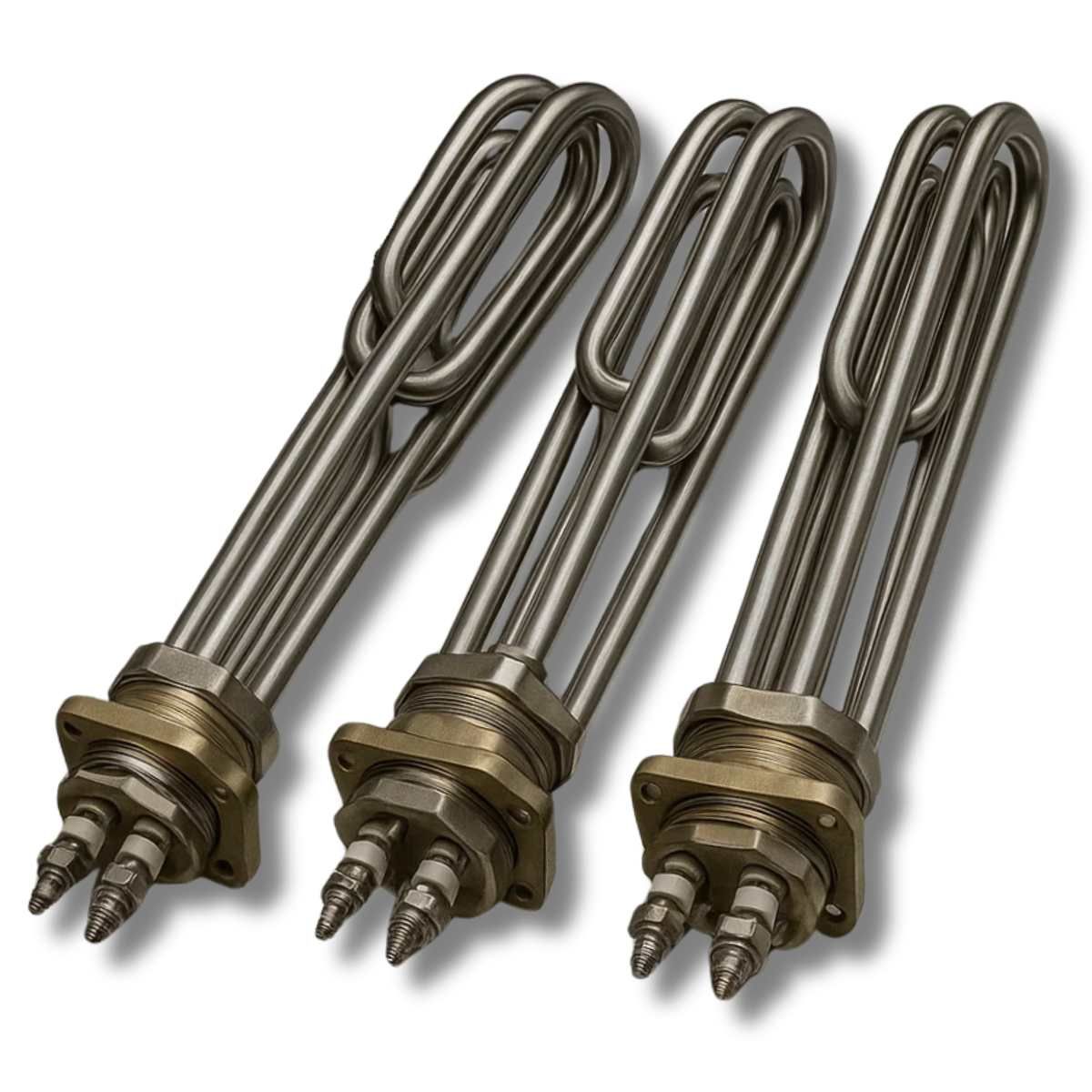
An immersion heater is a tubular element mounted on a screw plug or a flange so it can be sealed into the wall of a tank and sit directly in the liquid. It heats water, oil, fuel, chemicals and process baths from the inside, which wastes almost nothing, and it is chosen by the liquid it will live in rather than by wattage alone.
Band Heater
A band heater is a ring-shaped element that clamps around a cylinder and heats it through its wall. Resistance wire sits on mica or inside a ceramic body, wrapped in a stainless steel band that is pulled tight by a clamp. It is the element that heats injection barrels, extruder zones, nozzles and pipes.
Flat and Strip Heater
A flat or strip heater is a rectangular element that bolts against a flat surface and heats it by contact. Resistance wire sits on mica or in compacted magnesium oxide inside a steel or stainless case. It is the element used wherever the thing being heated is a plate, a bar or a platen rather than a liquid or a pipe.
Flexible Heater
A flexible heater is a thin, bendable element that wraps around a curved surface or lies flat against an awkward one. A resistance circuit is sealed between sheets of silicone rubber, so the whole heater is a few millimetres thick and can be strapped or bonded onto drums, tanks, pipes and plates up to about 230 °C.
Radiant Heater
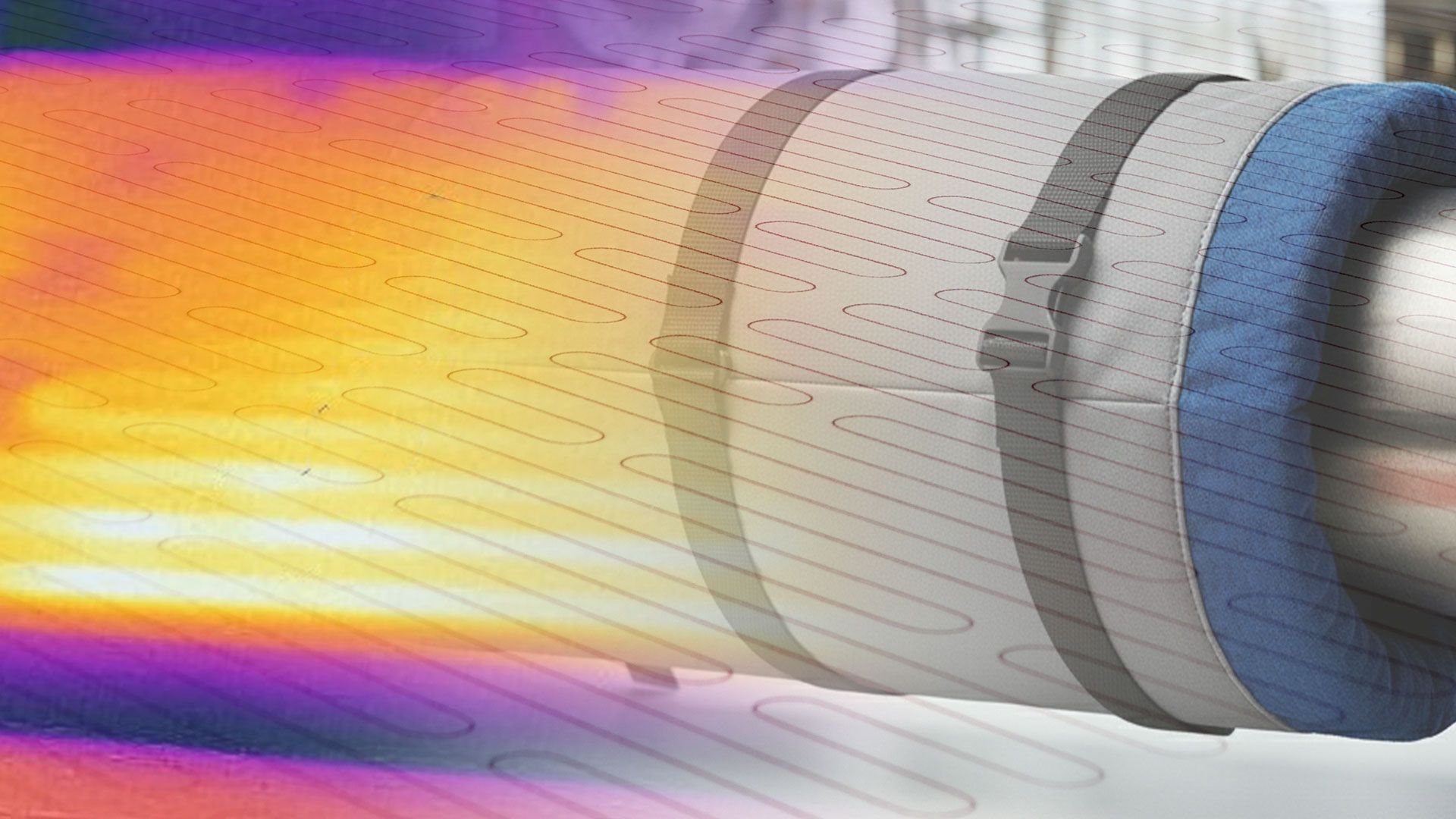
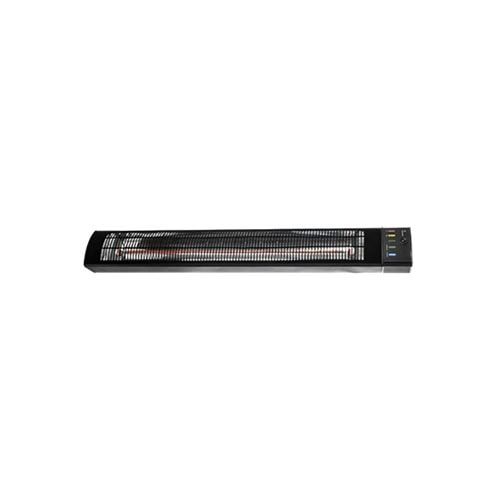
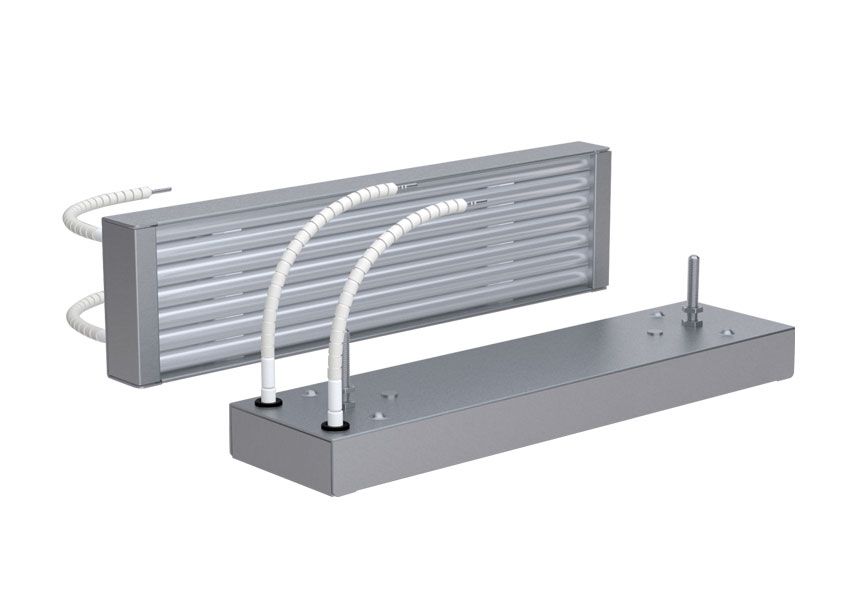
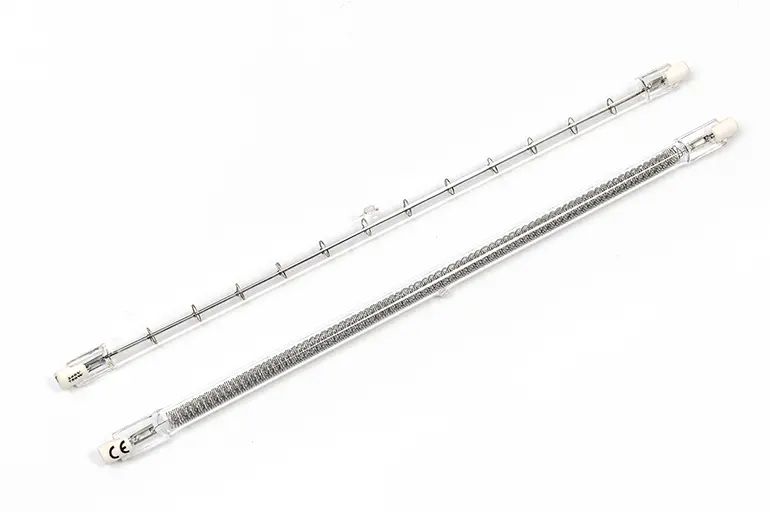
A radiant heater warms an object by infrared light rather than by touching it or by heating the air between them. A quartz tube, a halogen lamp or a ceramic face glows, and the surface facing it absorbs that energy directly. It is used where something has to be heated quickly, across a gap, without contact.
High Temperature Heater
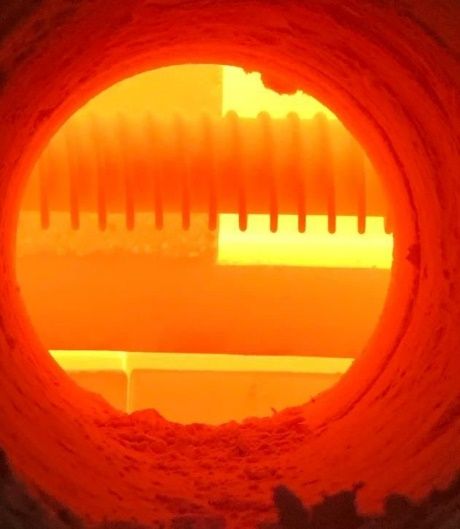
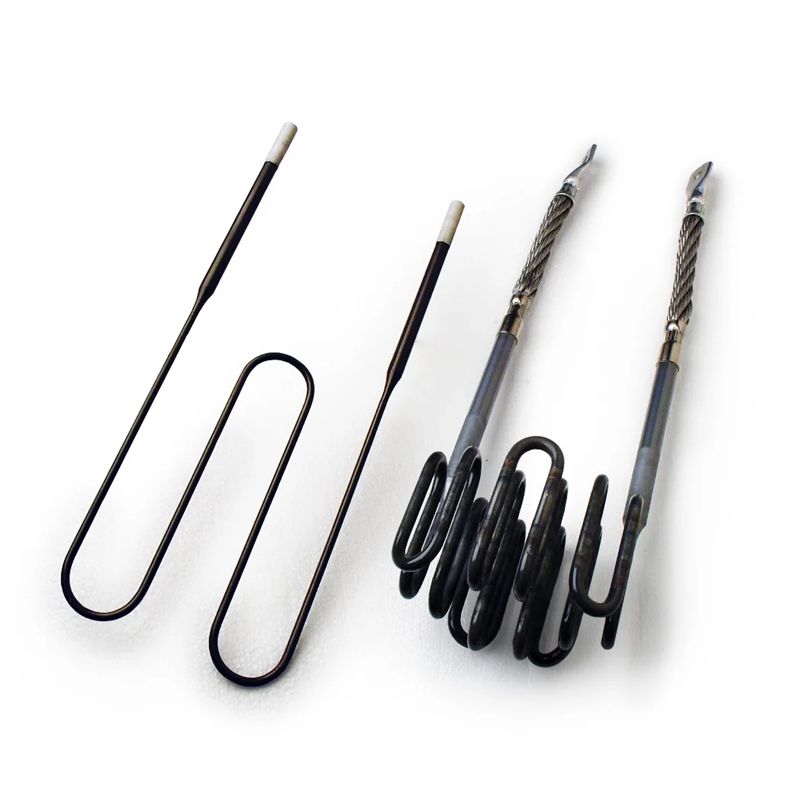
A high temperature heater works above the range where an ordinary sheathed element survives — roughly 1000 °C and up. Silicon carbide rods, molybdenum disilicide elements, open resistance coils and molybdenum heaters take furnaces and kilns from 1000 °C to about 1800 °C, and each one is chosen as much by the atmosphere inside the furnace as by the temperature.
Start from the job, not the part
Nine common heating jobs, each with the conditions it runs in, the element types that suit it, and the mistakes that shorten an element's life on that job.
Pick the job
A tank, a boiler or a pipeline has to reach and hold a set water temperature, and it has to do it with an element that survives the water it sits in.
- Medium
- Water, water and glycol, water-based washing and plating solutions
- Usual working temperature
- 40 to 95 °C
- Under pressure
- Up to 180 (in a closed vessel) °C
What kills it
Running the element while the tank is empty. In water it burns out in minutes, and this is the single most common failure.
What suits it
Heavy oil has to be brought up to a temperature where it flows and atomises, without cooking onto the surface of the element that is heating it.
- Medium
- Mazut, heavy fuel oil, diesel, thermal oil, lubricating oil
- Storage tank temperature
- 40 to 70 °C
- Burner line temperature
- 90 to 130 °C
What kills it
Using a watt density meant for water. In oil that figure chars the fuel onto the sheath within days.
What suits it
A duct, dryer or oven has to deliver air at a set temperature, using elements that survive a medium which barely cools them.
- Medium
- Air, in a duct, a dryer, an oven or an open space
- Usual outlet temperature
- 60 to 400 °C
- Safe watt density, moving air
- 3 to 5 W/cm²
What kills it
Sizing on wattage and forgetting surface. In air the surface area is the design, not an afterthought.
What suits it
A drum, IBC or storage tank holds material that will not pour or pump at ambient temperature, and it has to be warmed evenly without scorching what is next to the heat.
- Container
- 20 to 220 litre drums, 1000 litre IBCs, fixed tanks
- Usual target temperature
- 30 to 120 °C
- Safe watt density, silicone blanket
- 0.4 to 1.2 W/cm²
What kills it
Heating from the wall with no stirring, so the product next to the wall cooks while the middle stays solid.
What suits it
Plastic has to be brought to melt temperature along the whole flow path and held there, zone by zone, without degrading the material or leaving a cold spot that spoils the part.
- Melt temperature, common plastics
- 180 to 320 °C
- Barrel zones
- 3 to 6 per machine
- Band heater watt density
- 3 to 6 W/cm²
What kills it
Fitting a band loosely. An air gap between band and barrel is an insulator, so the band runs hot and the barrel does not.
What suits it
A seal has to be made in a fraction of a second, in the same narrow temperature window, thousands of times a shift, along the whole length of the bar.
- Sealing temperature, common films
- 120 to 220 °C
- Shrink tunnel air temperature
- 120 to 200 °C
- Sealing dwell time
- 0.2 to 2 s
What kills it
A cold end on the sealing bar. One under-heated section means one leaking seal in every pack from that lane.
What suits it
A furnace chamber has to hold a high, even temperature for hours, with elements that survive both the heat and whatever atmosphere the process puts in the chamber.
- Drying and curing ovens
- Up to 300 °C
- Heat-treatment furnaces
- 600 to 1100 °C
- Silicon carbide element ceiling
- Up to 1600 °C
What kills it
Choosing an element on peak temperature alone and ignoring the furnace atmosphere, which is what actually kills it.
What suits it
A small chamber, plate or bath has to hold a set temperature closely and repeatably, often unattended for days, with heat that is even enough that the reading means something.
- Incubators and baths
- 30 to 100 °C
- Drying ovens
- 50 to 300 °C
- Muffle furnaces
- Up to 1200 °C
What kills it
Sizing on the fastest heat-up rather than the steadiest hold. Too much power makes a chamber that overshoots and hunts.
What suits it
A product that people eat or take as medicine has to be heated evenly and gently, in equipment that can be cleaned properly and will not shed anything into the batch.
- Common process temperatures
- 40 to 140 °C
- Safe watt density, thin liquids
- 3 to 6 W/cm²
- Safe watt density, syrups and pastes
- 1 to 2.5 W/cm²
What kills it
Using a watt density that suits water on a product that is a syrup or a paste. Product scorches on the sheath long before the tank is hot.
What suits it
Not a catalogue part?
Three ways to order an element that is not a standard item: from your drawing, from your sample, or designed from your working conditions.
By Drawing
If you already have a technical drawing, that is the shortest route to a quote. We read the drawing, confirm the electrical and material details it does not cover, and build to it. A hand sketch with real dimensions works too — it does not have to be a CAD file.
By Sample
The most common way an element is ordered: send the old one. A physical sample answers most of the questions a drawing would, and it also shows how the element failed — which is often the more useful piece of information.
By Application
When there is no drawing and no old element — a new machine, a new process, a first installation — the element is designed from the job itself. You describe what has to get hot, how hot and how fast, and the specification is worked out from there.
Work it out before you order
Choosing an element is not just choosing a wattage. Sheath material, watt density and heated length decide whether it runs for years or for months.
Selection Guide
Choosing a heating element comes down to five questions: what you are heating, how hot it has to get, how the heat reaches the work, how much power the job needs, and what the sheath has to survive. Answer those five and the catalogue narrows to one or two types.
Power Calculator
Sizing a heating job starts with one sum: the energy needed to lift a known quantity by a known number of degrees, divided by the time you will allow. This page does that arithmetic for a batch in a tank and for a stream that keeps flowing, and says plainly what the figure leaves out.
Watt Density Calculator
Watt density is the power an element carries divided by the surface it carries it on, in watts per square centimetre. It is the number that decides how long a heating element lasts, and the one most often missing from an order. This page works it out and checks it against your medium.
Work the power out before you call
What you are heating, how much of it, how far up, and how long you have. The answer is the kilowatts the job needs.
Power needed
Fill in every box and the figure appears here.
— kW
With the margin
Heat into the medium: — kW
This is an estimate and may not be exact. For the right figure, call us: 021-88700360