Drum and Tank Heater
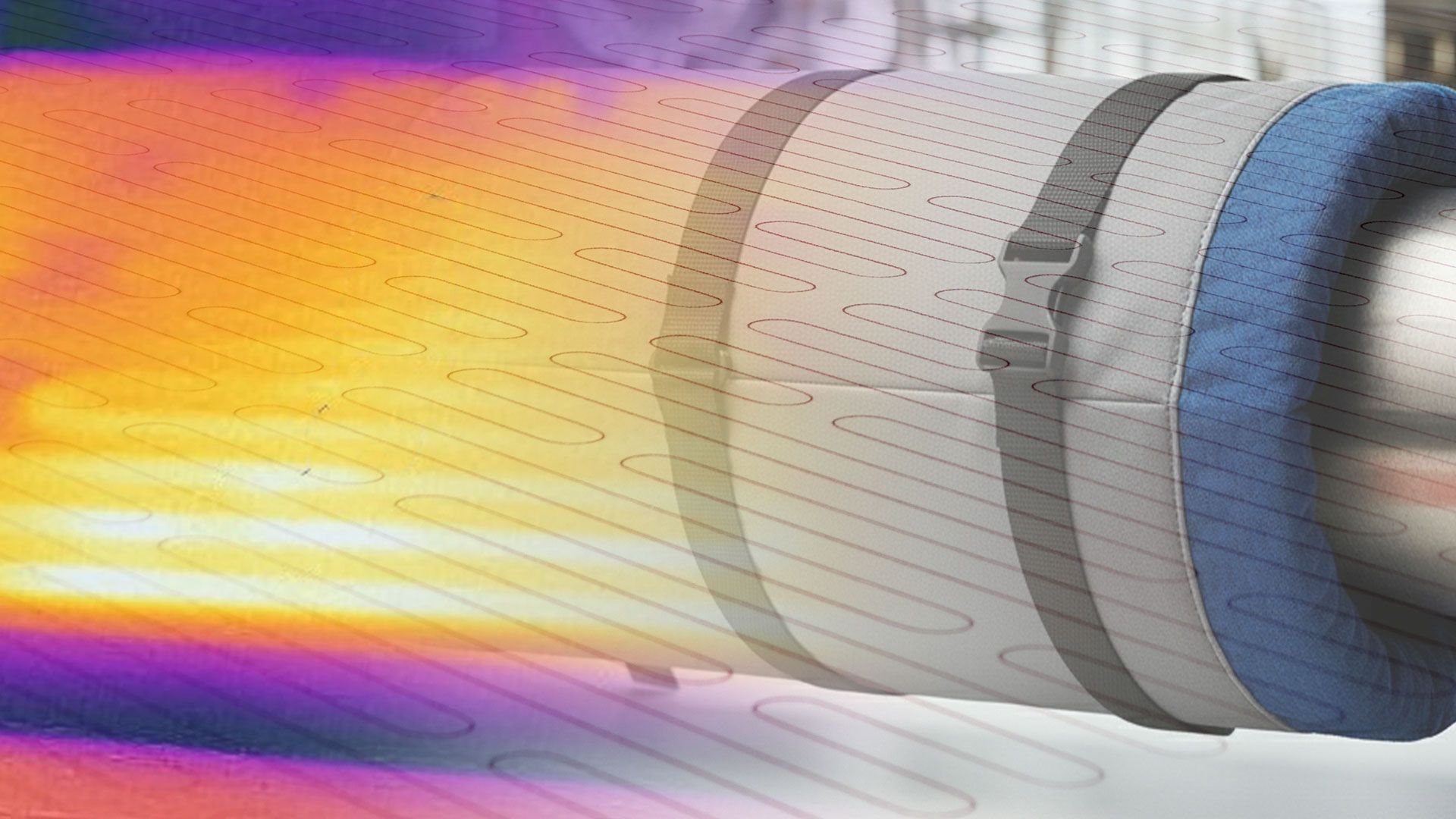
A drum and tank heater is a flexible jacket that straps around the outside of a drum, a barrel or a small tank and warms the contents through the wall. Nothing goes into the liquid, so it suits material that must not be contaminated and vessels that have no opening to fit an element into.
- Fits
- 20, 60, 220 litre drums and IBCs
- Max working temperature
- up to 230 °C
- Fitting
- Straps on, nothing enters the vessel
- Control
- Built-in thermostat and cut-out
- Voltage
- 220 V
- Custom builds
- To any drum or tank size
Ask for a Price or Technical Advice
Call us or send a WhatsApp message for a price, full specifications, or a custom build.
Technical Specifications
The figures below are the usual ranges for this type of element. Builds outside them are possible.
| Property | Value |
|---|---|
| Construction | Flexible silicone or fibreglass jacket with an internal heating circuit, buckled straps, and an outer insulating layer |
| Max working temperature | 200 to 230, set by the jacket material °C |
| Drum sizes | 20, 60 and 220 litre, plus IBC totes litre |
| Safe watt density on steel | 1 to 3 W/cm² |
| Safe watt density on plastic | 0.3 to 0.8 W/cm² |
| Working voltage | 220 single phase V |
| Control | Capillary or digital thermostat, with a separate thermal cut-out |
| Insulation | Outer layer of needled fibre, to hold the heat in |
| Fixing | Buckled straps or quick-release clips |
| Termination | Flexible lead with a plug or a gland, from the top edge |
| Power tolerance | +5 to -10 % |
Where It Is Used
- Tank and drum heating
- Oil, fuel and mazut heating
- Food and pharmaceutical industry
- Melting wax, resin and solidified oils
- Keeping adhesives and paints pourable
- Frost protection on stored liquids
Choosing, Fitting and Looking After It
Heat the bottom third and let convection do the rest
Material in a drum only moves once it is liquid. A jacket wrapped around the lower part melts the material at the bottom first, and that liquid then rises and circulates, carrying heat up through the drum on its own. A jacket fitted around the middle or the top does the opposite: it makes a warm layer on top of a cold, solid plug that can take another day to shift.
On a drum that has set hard — wax, heavy oil, some resins, honey — plan on hours, and start low.
Slow and gentle beats fast and hot
Whatever is against the inside of the drum wall gets hottest. Push the power up to save time and that layer scorches, degrades, or bakes onto the wall while the core is still solid, and on a food or pharmaceutical product that ruins the batch. A jacket at the right watt density with the right insulation gets there in a reasonable time without ever letting the wall run hot.
Never heat a band of empty drum
The most common way to destroy a jacket is to power the whole wrap on a drum that is half empty. Behind the liquid there is something to carry the heat away. Behind the air there is nothing, and that band of the jacket climbs until the material fails. Either strap the jacket below the working level, or use a two-zone jacket where the upper zone can be switched off.
Plastic drums need a different jacket, not a lower setting
Steel spreads heat sideways and takes it away from the jacket quickly. Plastic does neither. A jacket sized for a steel drum, turned down, still puts too much power into one place on a polyethylene wall, and the drum softens where the jacket touches. A jacket for plastic is built at a much lower watt density from the start. Say what the drum is made of at the time of order — it is not a setting, it is a different product.
Straps, leads and the way a drum gets moved
The advantage of a jacket is that it comes off in a minute and goes on the next drum. That also means it gets handled a lot. Buckle the straps rather than knotting them, keep the lead running upward and clear of where the drum will be rolled or lifted, and never lift or drag a drum by the jacket. The lead entry is the part that fails, and it fails from being pulled.
Store it rolled and check it before each use
Between jobs a jacket ends up on a shelf, folded around something, or under something. Roll it. Before fitting, look over the inner face for scorch marks, cuts or hard spots, and check the lead entry. A jacket with a damaged face will be fitted against a drum full of product, which is the wrong moment to find out.
Price
Price
The price for this product depends on the specification you order.
What Sets the Price
- Diameter and length
- Power and voltage needed
- Sheath material (stainless steel, brass and so on)
- Termination type and lead or thread length
- Whether a thermocouple is built in
- Order quantity
How It Compares
Heating a drum from outside against heating it from inside.
| Feature | Drum jacket | Immersion heater |
|---|---|---|
| Contact with contents | None | Direct |
| Opening needed | None | A threaded boss or flange |
| Moves with the drum | Yes | No |
| Speed | Slower, through the wall | Faster, straight into the liquid |
| Reusable on the next drum | Yes | No |
Common Questions
How long does it take to melt a solid drum?
Hours rather than minutes, and it should. The heat has to cross the drum wall and then work through material that does not convect until it is liquid. Trying to speed it up with more power scorches whatever is against the wall while the middle is still solid.
Where on the drum should the jacket sit?
Around the lower third first. Once the bottom is liquid it begins to circulate and carries heat upward on its own. A jacket high on the drum heats the surface and leaves a cold plug underneath it.
Can it be used on a plastic drum?
Yes, with a jacket built for it at a much lower watt density. Plastic conducts heat slowly, so a jacket sized for steel will soften or mark it. Say what the drum is made of, and what temperature the contents must not exceed.
Does it need its own thermostat?
It needs a thermostat to control the temperature and a separate thermal cut-out to protect against the thermostat failing or the drum being emptied. Both are usually built into the jacket, and the cut-out is the one that must not be omitted.
Is the insulating outer layer necessary?
It roughly halves the time and the energy. Without it, a large share of the heat goes straight into the room from the outer face of the jacket. It also keeps the outside of the jacket at a temperature that is safe to touch.
What about a partly full drum?
That is the case that damages jackets. The band around an empty part of the drum has no liquid behind it to take the heat, so that section runs hot. Fit the jacket below the liquid level, or use one with a cut-out that follows the level.
Related Products
Flexible Heater
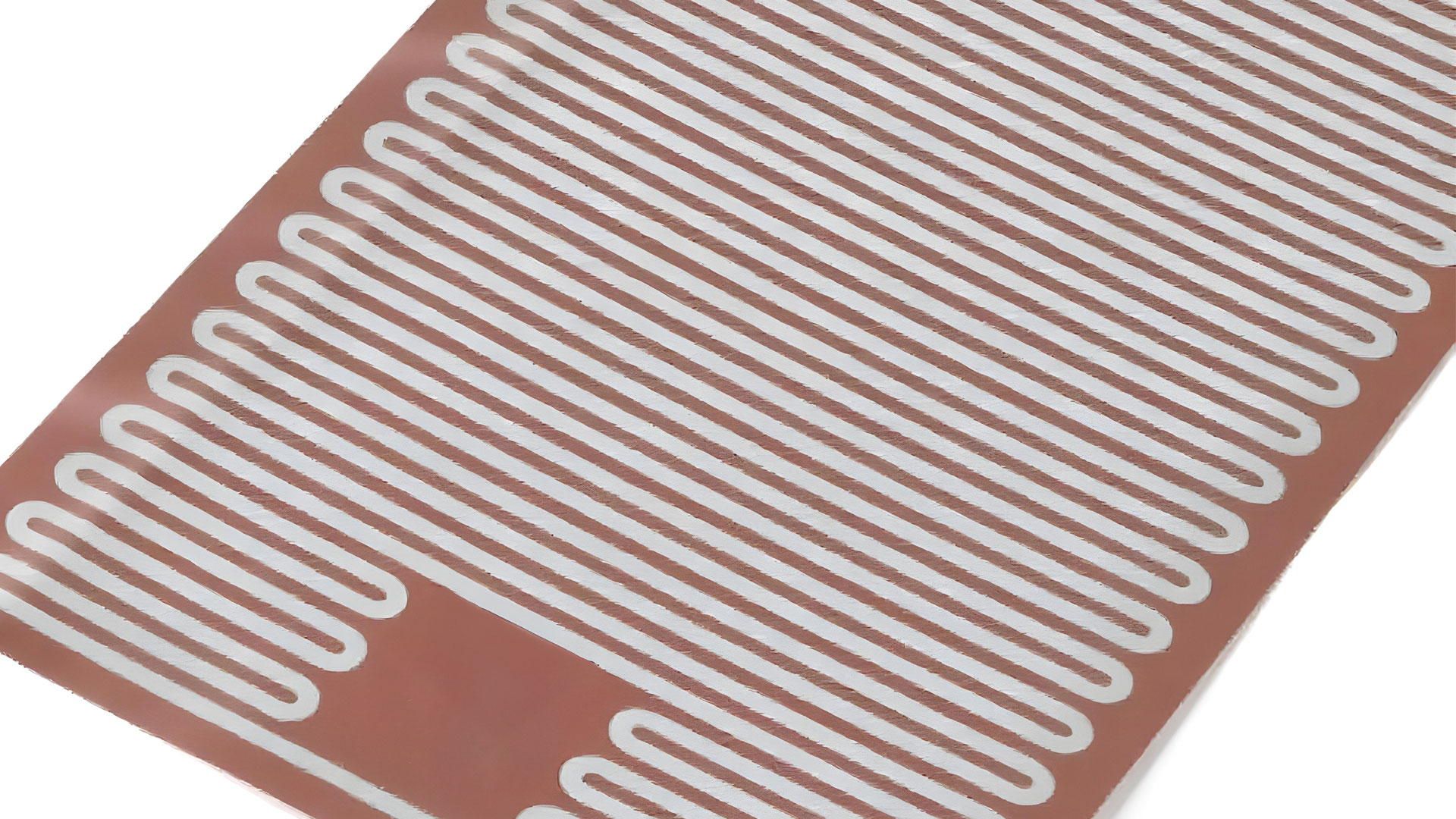
A flexible heater is a thin, bendable element that wraps around a curved surface or lies flat against an awkward one. A resistance circuit is sealed between sheets of silicone rubber, so the whole heater is a few millimetres thick and can be strapped or bonded onto drums, tanks, pipes and plates up to about 230 °C.
Silicone Rubber Heater
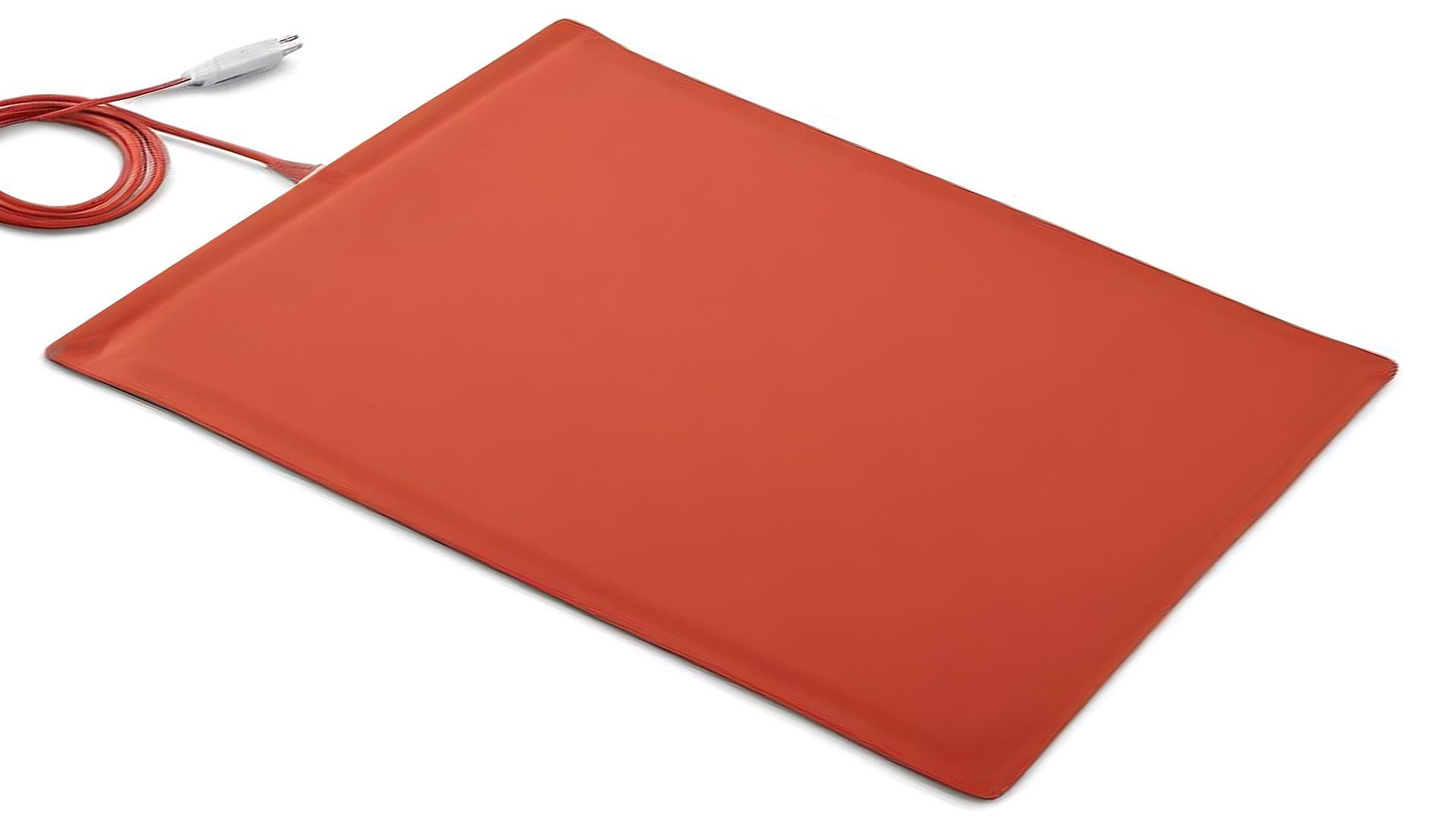
A silicone rubber heater is a thin sheet, one and a half to three millimetres thick, with an etched foil or wound wire circuit sealed between fibreglass reinforced silicone. It bends around curves, follows an irregular shape, and can be made in almost any outline, up to about 230 °C.
Ask for a Price or Technical Advice
Call us or send a WhatsApp message for a price, full specifications, or a custom build.
Last updated: