Flexible Heater
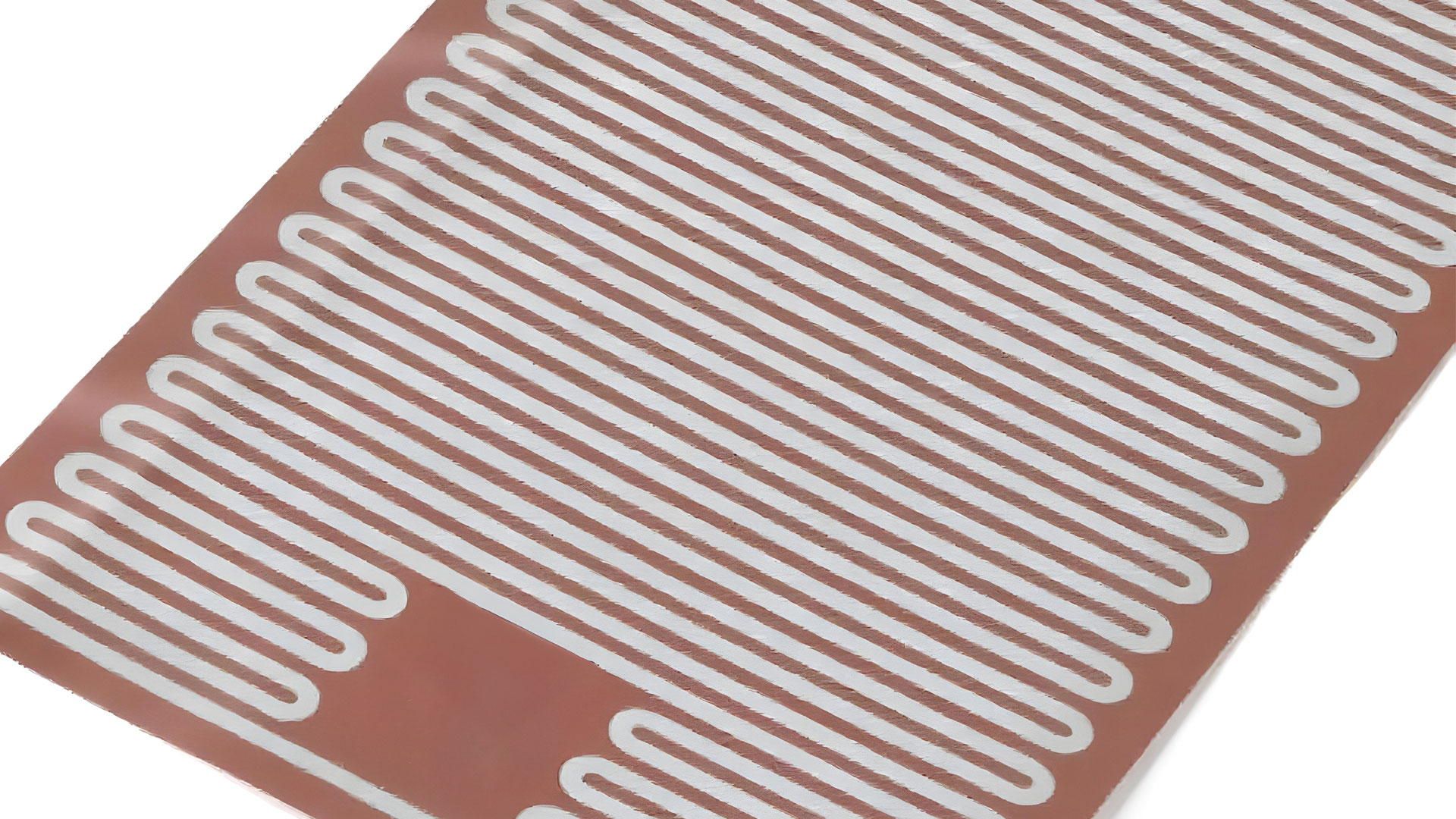
A flexible heater is a thin, bendable element that wraps around a curved surface or lies flat against an awkward one. A resistance circuit is sealed between sheets of silicone rubber, so the whole heater is a few millimetres thick and can be strapped or bonded onto drums, tanks, pipes and plates up to about 230 °C.
- Max working temperature
- up to 230 °C
- Thickness
- 1.5 to 3 mm
- Watt density
- 0.5 to 5 W/cm²
- Body material
- Silicone rubber, fibreglass reinforced
- Voltage
- 12 to 380 V
- Custom builds
- Any shape, size and power
Ask for a Price or Technical Advice
Call us or send a WhatsApp message for a price, full specifications, or a custom build.
Technical Specifications
The figures below are the usual ranges for this type of element. Builds outside them are possible.
| Property | Value |
|---|---|
| Construction | Etched foil or wound wire sealed between fibreglass-reinforced silicone rubber sheets |
| Max working temperature | 200 to 230 °C |
| Thickness | 1.5 to 3 mm |
| Safe watt density bonded to metal | 2 to 5 W/cm² |
| Safe watt density in free air | 0.5 to 1 W/cm² |
| Minimum bend radius | About 10 times the thickness mm |
| Working voltage | 12, 24, 110, 220 or 380 V |
| Fixing | Adhesive backing, straps and buckles, or vulcanised in place |
| Built-in control | Optional thermostat, thermal cut-out or thermocouple |
| Termination | Silicone lead wires from one edge or one corner |
| Power tolerance | +5 to -10 % |
Where It Is Used
- Tank and drum heating
- Oil, fuel and mazut heating
- Laboratory equipment
- Food and pharmaceutical industry
- Freeze protection on pipes and valves
- Condensation control in outdoor cabinets
Choosing, Fitting and Looking After It
It heats what it touches, and only what it touches
A flexible heater has almost no mass. There is no metal block to spread the heat and even it out, so every air pocket under the sheet becomes a hot spot straight away. Fitting is not a finishing step here, it is the main step: smooth the surface, work the heater down from the middle outwards, and get every bubble out from underneath.
On a curved surface, wrap so the heater is under gentle tension all the way round. A section that has lifted away from a pipe by two millimetres is running in air, at a watt density chosen for metal.
Watt density falls with the mass behind it
Bonded flat to a steel plate, a silicone heater can carry 2 to 5 watts per square centimetre. Hanging in air, wrapped around insulation, or bonded to plastic, it has to come down towards 0.5 to 1. The rubber does not warn you before it fails — it goes brown, then brittle, then open circuit.
Fit a thermal cut-out, not just a thermostat
The thermostat controls the process; the cut-out saves the heater. They are not the same part and they must not be the same part. If the vessel empties, if the controller sticks on, or if the sensor falls out of its pocket, the thermostat has no way of knowing. A cut-out wired in series with the supply is the only thing between that and a fire.
This matters more here than on any other element in the catalogue, because silicone burns and steel does not.
Watch the lead exit
The leads come out of one edge and that joint is the weakest part of the heater. It must not be pulled, bent hard, or left where the drum rolls onto it. Strain relief the lead a hand’s width from the heater and let the last stretch stay slack.
On drums, heat the bottom third
Material in a drum heats by convection once it is liquid, and a jacket around the lower part sets that movement going. A jacket high on the drum warms the surface and leaves a cold, solid plug at the bottom. Start low, and if the contents solidify hard — wax, heavy oil, some resins — a longer, gentler heat-up beats a short hot one, which scorches whatever is against the wall.
Storage and handling
Rolled, not folded. A sharp crease in a silicone heater damages the circuit inside where nothing can be seen from outside, and the fault shows up as a hot line across the sheet the first time it is powered. Store spares rolled loosely and away from solvents.
Price
Price
The price for this product depends on the specification you order.
What Sets the Price
- Diameter and length
- Power and voltage needed
- Sheath material (stainless steel, brass and so on)
- Termination type and lead or thread length
- Whether a thermocouple is built in
- Order quantity
How It Compares
Where a flexible heater wins, and where it does not.
| Feature | Flexible | Band | Immersion |
|---|---|---|---|
| Max temperature | Up to 230 °C | Up to 650 °C | Up to 750 °C |
| Surface | Curved, flat or irregular | Round only | Inside the liquid |
| Fitting | Wrapped or bonded on | Clamped around | Sealed into the tank wall |
| Tank contact | No opening needed | Not applicable | Needs a threaded or flanged port |
Common Questions
How hot can a silicone heater get?
About 230 °C at the surface of the rubber, and that is a hard ceiling — the silicone itself degrades above it. For anything hotter the answer is a different family of element, not a thicker flexible one.
Can I stick it on with the adhesive backing alone?
On a clean, smooth metal surface at moderate temperature, yes. On a rough, painted or curved surface, or anything running near the top of its range, the adhesive should be backed up by straps or a clamped cover. Adhesive that lets go leaves an air pocket, and the heater burns through there.
Does it need a thermostat?
Yes, in nearly every case. A flexible heater has very little mass, so it heats up fast and has nothing to buffer it if the load is removed. A thermostat controls it and a separate thermal cut-out protects it, and the cut-out is the part people leave out.
Can it be cut to size?
No. The circuit runs through the whole sheet, so cutting it cuts the circuit. Heaters are made to the finished shape, including holes and cut-outs, which is why the shape has to be sent with the order.
Will it work on a plastic drum?
With care and at low watt density. Plastic conducts heat far more slowly than steel, so a heater sized for a steel drum will soften or mark a plastic one. Say what the drum is made of; the power and the density are chosen from that.
How do I heat a drum that has to be moved around?
With a strap-on jacket rather than a bonded heater. It goes on and off in minutes, moves with the drum, and can be reused on the next one. A bonded heater suits a vessel that stays where it is.
Types in This Family
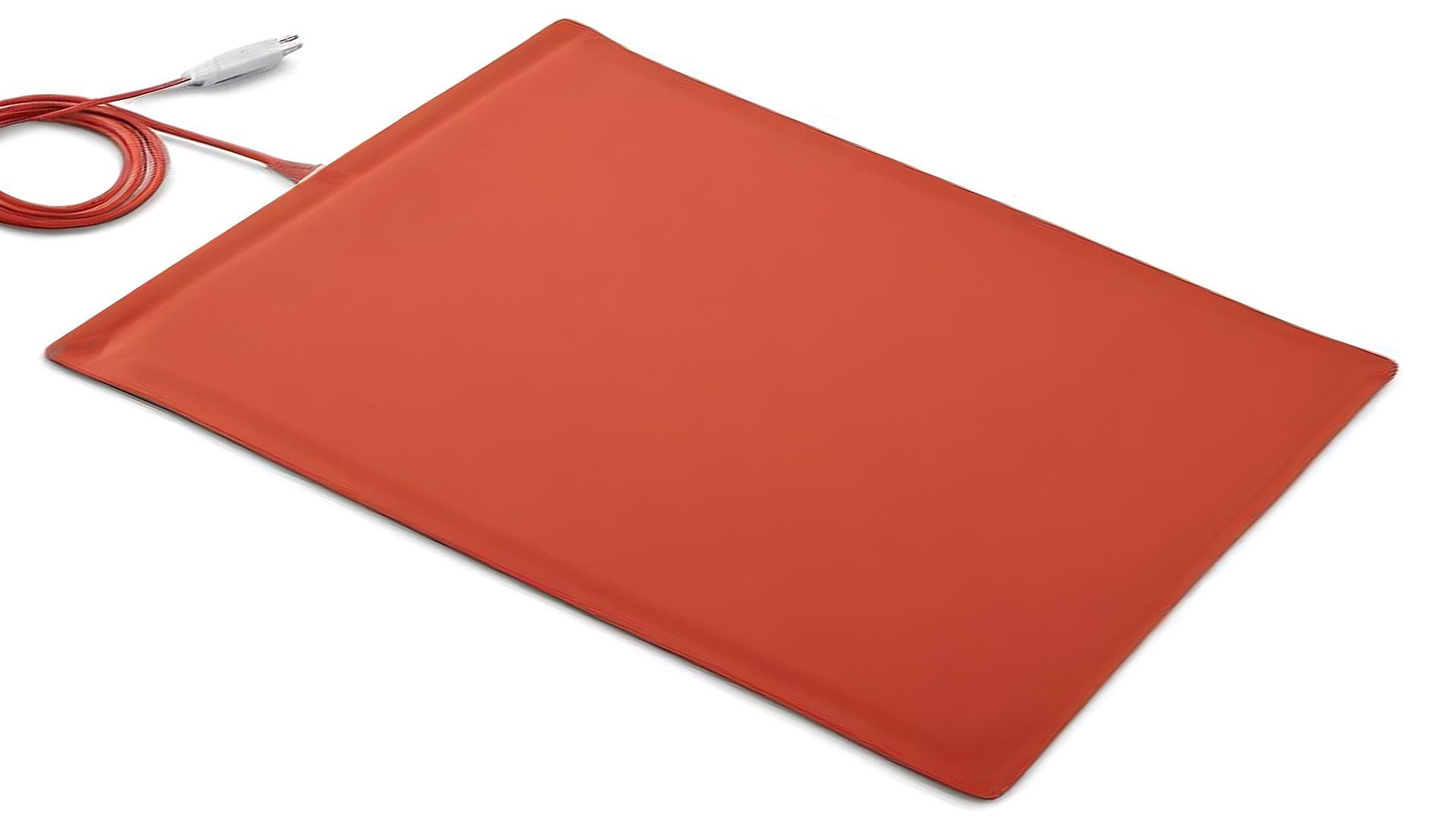
Silicone Rubber Heater
A silicone rubber heater is a thin sheet, one and a half to three millimetres thick, with an etched foil or wound wire circuit sealed between fibreglass reinforced silicone. It bends around curves, follows an irregular shape, and can be made in almost any outline, up to about 230 °C.
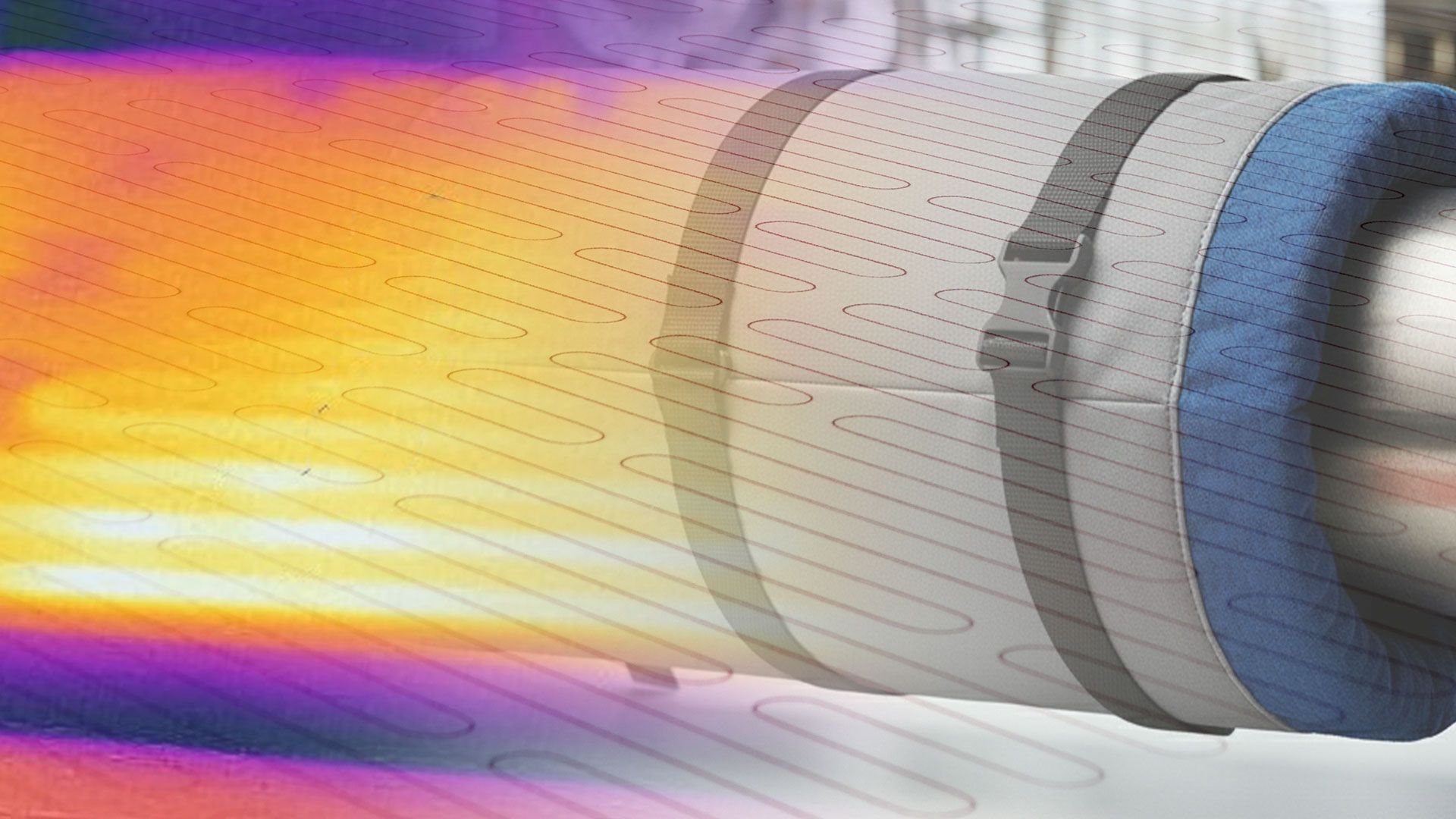
Drum and Tank Heater
A drum and tank heater is a flexible jacket that straps around the outside of a drum, a barrel or a small tank and warms the contents through the wall. Nothing goes into the liquid, so it suits material that must not be contaminated and vessels that have no opening to fit an element into.
Related Products
Silicone Rubber Heater
A silicone rubber heater is a thin sheet, one and a half to three millimetres thick, with an etched foil or wound wire circuit sealed between fibreglass reinforced silicone. It bends around curves, follows an irregular shape, and can be made in almost any outline, up to about 230 °C.
Drum and Tank Heater
A drum and tank heater is a flexible jacket that straps around the outside of a drum, a barrel or a small tank and warms the contents through the wall. Nothing goes into the liquid, so it suits material that must not be contaminated and vessels that have no opening to fit an element into.
Ask for a Price or Technical Advice
Call us or send a WhatsApp message for a price, full specifications, or a custom build.
Last updated: